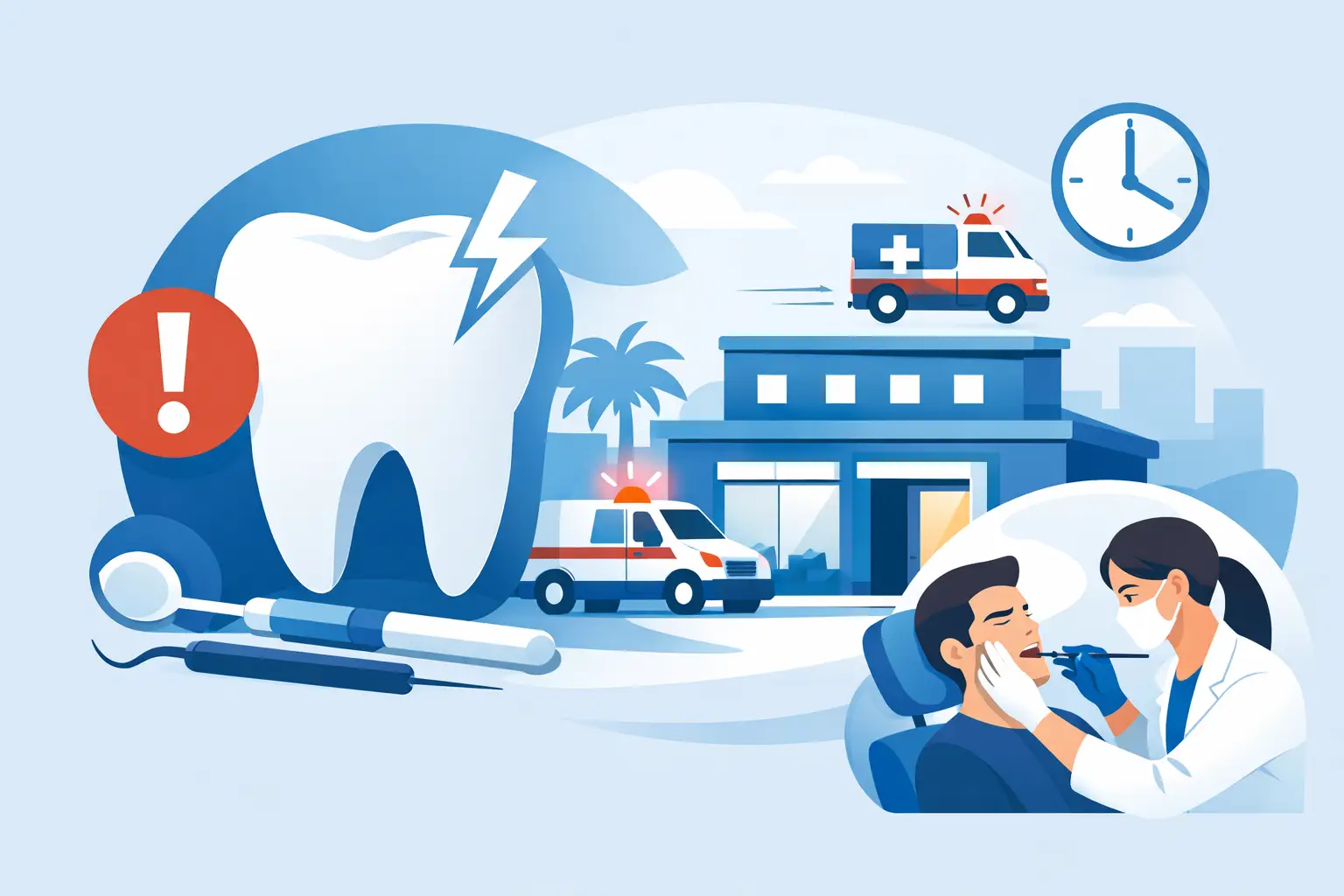
A severe toothache can start as a dull ache at breakfast and become impossible to ignore by bedtime. A cracked tooth can happen in one bite. When you need an emergency dentist Wesley Chapel residents can rely on, the priority is not simply stopping discomfort. It is identifying the source of the problem quickly, protecting the tooth whenever possible, and creating a clear plan for your long-term oral health.
Dental emergencies are rarely convenient, but prompt, skilled care can often prevent a manageable problem from becoming a more extensive one. Whether you are dealing with facial swelling, a broken restoration, a knocked-out tooth, or pain that is keeping you awake, knowing what to do next can make a meaningful difference.
What Counts as a Dental Emergency?
Not every dental concern requires same-day treatment, but some symptoms should never be ignored. Persistent or severe pain, swelling, uncontrolled bleeding, trauma, and signs of infection generally warrant an urgent evaluation. Waiting can allow inflammation or infection to spread, compromise the remaining tooth structure, or turn a repairable issue into a more complex restorative situation.
Call for urgent dental guidance if you have severe tooth pain, swelling in the gums, jaw, or face, a tooth that has been knocked loose or completely out, a fractured tooth with sharp edges or exposed inner tissue, or bleeding that does not stop with steady pressure. A lost crown or filling may also be urgent when it causes substantial pain, leaves a tooth vulnerable, or affects your ability to bite normally.
A mild sensitivity that lasts a few seconds after cold food is different from pain that lingers, throbs, or wakes you at night. The first may be monitored briefly with professional advice; the second often signals a problem deeper inside the tooth. The right answer depends on the symptom, its intensity, and how quickly it is changing.
When Emergency Care Cannot Wait
Swelling deserves particular attention. A dental infection may begin as localized pain near one tooth, but swelling, fever, difficulty swallowing, trouble breathing, or swelling that extends toward the eye or neck requires immediate medical attention. In those circumstances, seek emergency medical care rather than waiting for a routine dental appointment.
Trauma is another time-sensitive situation. If a permanent tooth is knocked out, handle it only by the crown, which is the visible chewing portion. Avoid touching the root. If it is clean, gently place it back into the socket if you can do so safely. If not, keep it moist in milk or in the mouth next to the cheek if there is no risk of swallowing it, then seek urgent dental care. Time matters greatly when a tooth has been completely displaced.
For a tooth that has shifted but remains in place, avoid biting on it. A dentist can assess the supporting bone, the nerve inside the tooth, and whether stabilization is needed. Even when the tooth looks intact, trauma can cause damage that is not visible without a thorough examination and imaging.
What to Do Before You Are Seen
The goal at home is to reduce discomfort and protect the area, not to attempt a permanent fix. Rinse gently with warm salt water to clear debris and soothe irritated tissue. A cold compress on the outside of the face can help limit swelling after injury or during a painful flare-up. Use over-the-counter pain medication only as directed on the package and only if it is appropriate for your health history.
Do not place aspirin directly against the gum or tooth. It can irritate or burn oral tissue. Avoid using household glues to replace a crown or repair a broken tooth. Do not chew on the affected side, especially if a tooth is cracked or a restoration has come loose.
If a crown has fallen off, save it and bring it with you. The tooth underneath may be sensitive to temperature and pressure, so choose soft foods and avoid anything sticky. If a sharp edge is irritating your tongue or cheek, dental wax may provide temporary coverage until you are evaluated.
How an Emergency Dentist in Wesley Chapel Determines the Cause
Pain does not always point directly to the problem. A toothache may come from decay, a crack, an inflamed nerve, gum disease, a failing restoration, clenching, or infection. Pain can also radiate, making a lower tooth feel like an upper tooth problem or vice versa. That is why an emergency visit should involve more than a quick look at the area that hurts.
A comprehensive assessment may include digital imaging, bite testing, temperature testing, and an examination of the gums and surrounding teeth. The objective is to locate the source of pain and determine whether the tooth can be preserved. For patients with existing crowns, bridges, implants, or extensive restorative work, careful evaluation is especially important because the treatment approach must protect the overall function of the bite.
At Trinity Dental Arts, emergency evaluations are approached with the same precision used for complex restorative and implant treatment. Dr. Xhoana Gjelaj assesses both the immediate concern and the condition that led to it, so patients are not left with a temporary solution and unanswered questions.
Emergency Treatment May Be the First Step, Not the Final Step
Same-day care may involve relieving pressure from an infected tooth, repairing a fracture, replacing a lost restoration when appropriate, stabilizing a traumatized tooth, or treating inflamed gum tissue. In some cases, the best immediate treatment is a temporary restoration or protective measure that allows the tooth and surrounding tissue to settle before definitive care is completed.
This is not a compromise in quality. It is often the clinically responsible choice. A tooth with significant infection, extensive damage, or an uncertain long-term prognosis may need a staged treatment plan. Once pain and inflammation are under control, the dentist can recommend the restoration that best supports comfort, appearance, and chewing function.
For example, a small fracture may be suitable for a same-day crown, while a deeply cracked or severely compromised tooth may require a different approach. If a tooth cannot be predictably saved, advanced tooth replacement planning may be discussed after the urgent issue is stabilized. Modern implant treatment can provide a durable, natural-looking replacement, but timing depends on bone health, infection control, healing, and the specifics of your case.
Why Delaying Treatment Can Raise the Stakes
Many people put off care because the pain comes and goes. Unfortunately, a tooth can stop hurting temporarily when the nerve is no longer functioning, while infection continues to develop around the root. A loose crown may feel like a minor inconvenience, yet the exposed tooth underneath can fracture or decay more easily. A cracked tooth can widen each time you chew.
Early treatment generally preserves more healthy structure and offers more options. It can also reduce the likelihood of unexpected pain during travel, work, or important family events. For patients who feel anxious about dental treatment, delaying is understandable, but it often makes the eventual visit more involved. Sedation options and a clear explanation of each step can make urgent care more manageable.
Preparing for Your Emergency Appointment
Bring any broken tooth fragments, a dislodged crown, or a tooth that has been knocked out, when possible. Be ready to explain when the problem began, what caused it, whether pain is constant or triggered by biting or temperature, and any medication you have taken. Share your medical history, including blood thinners, allergies, recent procedures, and conditions that may affect healing.
If you have undergone implant treatment, full-mouth restoration, or cosmetic dental work, mention it at the start of the visit. The materials and design of your existing treatment matter when protecting the result. A well-planned emergency response accounts for your entire smile, not just the tooth causing pain.
The most helpful step is simple: act when symptoms become serious rather than trying to endure them. Prompt evaluation gives your dentist the best chance to relieve pain, preserve healthy tooth structure, and help you return to eating, speaking, and smiling with confidence.