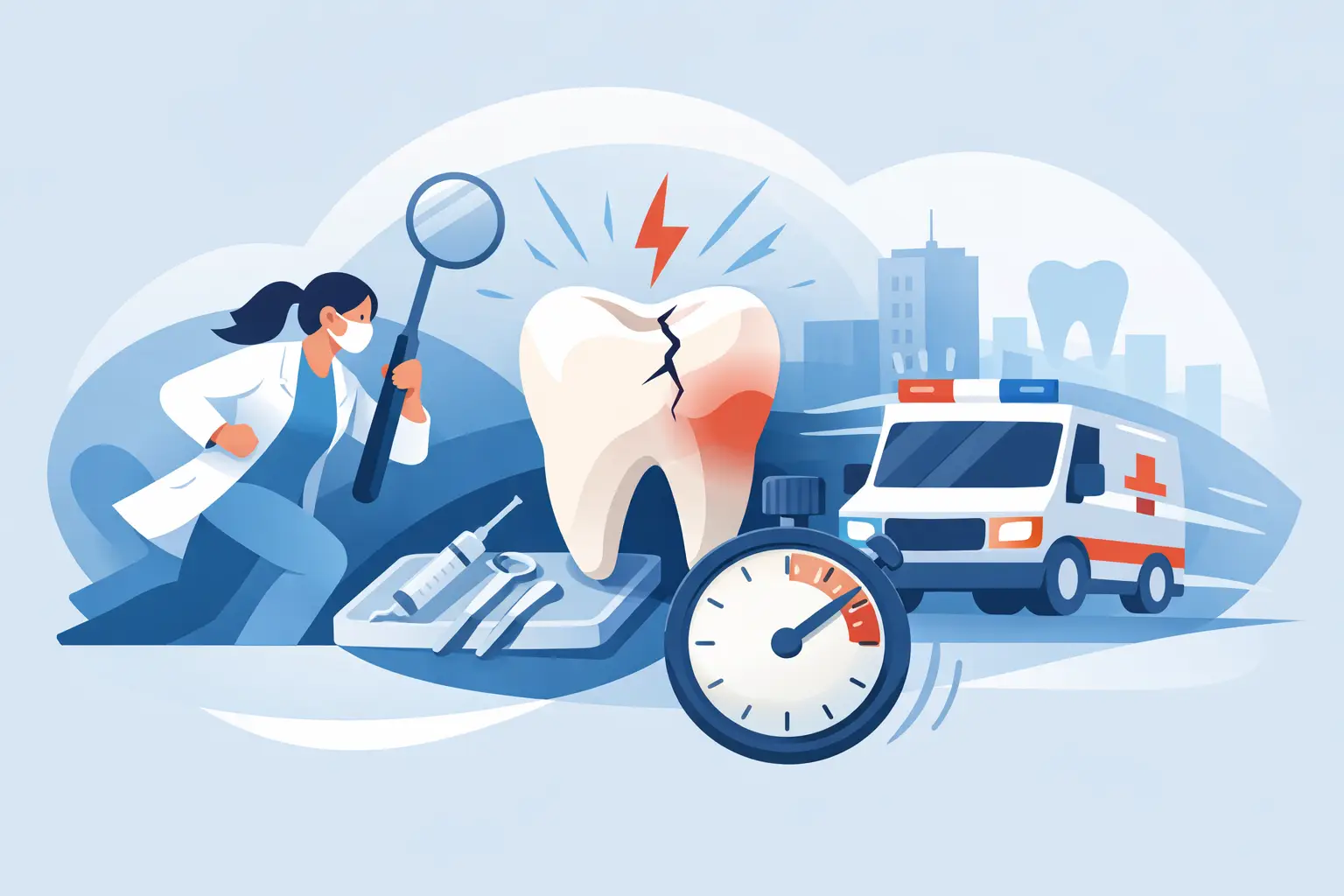
A cracked tooth during dinner, swelling that worsens overnight, or a crown that comes loose before an important meeting can quickly become more than an inconvenience. Emergency dentistry provides prompt evaluation and treatment when pain, infection, trauma, or damaged dental work puts your comfort, health, or ability to function at risk.
The right next step depends on what has happened. Some dental concerns can wait a day or two with careful management. Others require same-day attention to relieve pain, protect the tooth, prevent infection from spreading, or stabilize a restoration. Knowing the difference can help you act decisively without unnecessary panic.
What Counts as a Dental Emergency?
A dental emergency is generally a problem involving severe pain, uncontrolled bleeding, significant swelling, infection, trauma, or a tooth or restoration that has been damaged in a way that affects function or leaves vulnerable tissue exposed. The goal is not simply to make the discomfort disappear. It is to identify the cause and protect your long-term oral health.
Severe or persistent tooth pain is one of the most common reasons patients seek emergency care. Pain can result from deep decay, a cracked tooth, an inflamed nerve, gum infection, or a failing restoration. Pain that wakes you from sleep, makes it difficult to chew, or continues despite over-the-counter medication deserves prompt professional evaluation.
Facial swelling, a swollen gum area, drainage, a foul taste, fever, or tender lymph nodes may indicate an infection. A dental infection can progress beyond the tooth and should never be ignored. If swelling affects breathing or swallowing, seek emergency medical care immediately.
Trauma also requires quick action. A tooth that has been knocked out, shifted, fractured, or pushed into the gum needs timely assessment. In many cases, the sooner a dentist evaluates the injury, the better the chance of preserving the tooth and surrounding bone.
When a Damaged Tooth Needs Emergency Dentistry
Not every chipped tooth is urgent, but a damaged tooth should be assessed promptly when it is painful, sharp, deeply cracked, bleeding, or sensitive to temperature or pressure. A small enamel chip may be manageable until a scheduled visit. A fracture that reaches the inner portion of the tooth can expose the nerve and lead to escalating pain or infection.
A crack can be especially deceptive. Some cracks cause sharp pain only when biting, while others remain hidden below an old filling or crown. Continuing to chew on a cracked tooth can allow the damage to worsen, sometimes making the difference between a conservative restoration and more extensive treatment.
Lost crowns, bridges, fillings, and implant restorations also deserve attention, particularly if the underlying tooth is exposed or the restoration affects your bite. Avoid using household glue or attempting a permanent repair at home. Keep the restoration if you can find it, rinse it gently, and bring it with you. A dentist can determine whether it can be recemented or whether the tooth and restoration need further treatment.
What to Do Before Your Emergency Appointment
The hours before an appointment matter. Simple, appropriate first aid can reduce discomfort and help prevent additional damage.
For tooth pain, gently rinse with warm salt water and carefully floss around the area to remove any trapped food. Use a cold compress against the outside of the cheek for swelling. If you can safely take an over-the-counter pain reliever, follow the product instructions and your physician's guidance. Do not place aspirin directly on a tooth or gum tissue, as it can burn the tissue.
For a broken tooth, save any pieces you can locate. Rinse your mouth with warm water, and cover a sharp edge with dental wax if available. Avoid chewing on that side. If a tooth is completely knocked out, hold it by the crown, not the root. If it is dirty, rinse it briefly with milk or water without scrubbing it. If possible, gently place it back in the socket. If that is not possible, keep it moist in milk or saliva and seek care right away.
For swelling or a suspected infection, do not apply heat to the face. Heat can increase blood flow and may worsen swelling. Call for urgent dental guidance, especially if swelling is spreading or you feel unwell.
Why Prompt Diagnosis Protects More Than Comfort
Emergency treatment begins with a focused examination, often supported by digital imaging. The visible issue is not always the full problem. A lost filling may reveal decay underneath. A painful tooth may have a crack extending below the gumline. Swelling may originate from an infection near the root that needs more than antibiotics alone.
The immediate plan may involve relieving pressure, stabilizing a tooth, repairing a restoration, treating infection, or protecting exposed areas with a temporary or definitive restoration. In some cases, the emergency visit is the first phase of a larger treatment plan. That is especially true when a tooth has extensive damage, longstanding infection, or a restoration that has failed after years of use.
This is where comprehensive expertise matters. A practice equipped to manage both urgent needs and advanced restorative care can look beyond the immediate symptom. The priority is to resolve the emergency while preserving healthy bone, supporting a stable bite, and developing a durable path forward when additional treatment is needed.
Emergency Care for Implant and Restorative Patients
Patients with dental implants, full-mouth restorations, crowns, or veneers may worry that a loose or damaged restoration means the entire treatment has failed. Often, that is not the case. A loose crown, chipped ceramic, or bite-related discomfort can sometimes be addressed without compromising the implant or the underlying structure.
Still, do not ignore movement, pain, bleeding around an implant, or a restoration that no longer fits properly. Chewing on an unstable restoration can damage the component, place excess force on adjacent teeth, or irritate the tissues around it. Prompt assessment helps identify whether the concern is related to the restoration, bite, gum health, or implant itself.
At Trinity Dental Arts, Dr. Xhoana Gjelaj's advanced implant and restorative experience supports a precise approach to urgent dental concerns, including those involving complex restorative work. The focus is on protecting both the immediate result and the long-term health of your smile.
When to Call a Dentist and When to Seek Medical Help
Call a dental office promptly for severe tooth pain, a cracked or knocked-out tooth, a loose restoration, gum swelling, persistent bleeding, or signs of an oral infection. Even if pain improves temporarily, the underlying problem may remain.
Seek emergency medical care rather than waiting for a dental appointment if you have trouble breathing or swallowing, rapidly spreading facial or neck swelling, uncontrolled bleeding, confusion, or a high fever with significant swelling. These symptoms may signal a serious infection or injury requiring immediate medical intervention.
Preventing the Next Dental Emergency
Not every emergency can be avoided, especially accidents and unexpected fractures. However, regular exams can identify worn restorations, developing cracks, decay around old fillings, gum inflammation, and bite pressure before they become painful. A protective night guard may be recommended for patients who grind their teeth, while a sports guard can help reduce injury risk during contact activities.
If you have had previous crowns, implant restorations, root canal treatment, or extensive cosmetic work, do not wait for discomfort to become severe. Small changes in bite, sensitivity, looseness, or appearance are worth addressing early. Timely care is often simpler, more comfortable, and more protective of the investment you have made in your smile.
When something feels wrong, trust that instinct. A prompt emergency evaluation can provide relief, answer the questions that matter, and give you a clear plan for protecting your health and confidence.