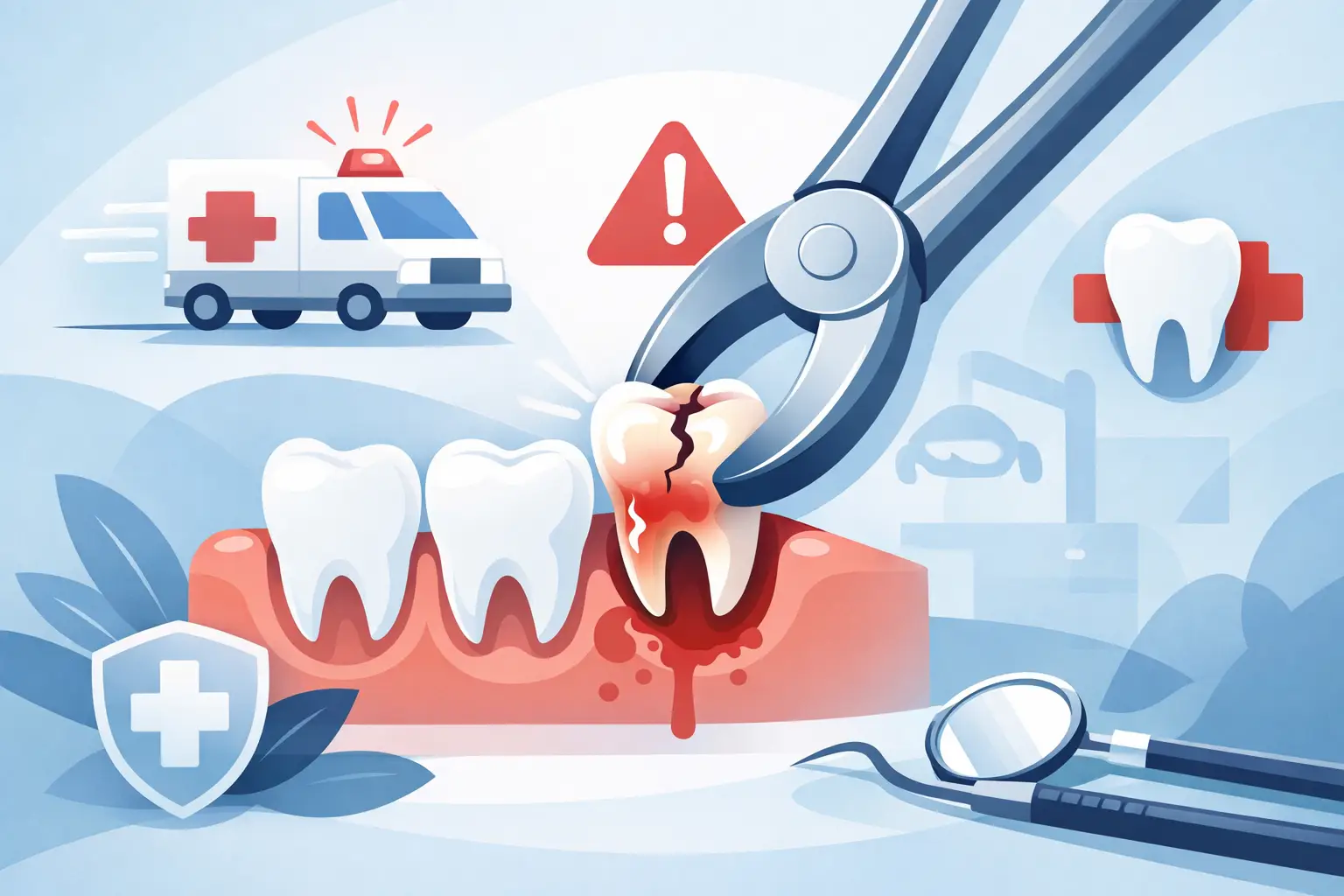
A tooth that suddenly becomes unbearable rarely gives you much time to think. If you are searching for emergency tooth extraction Trinity care, the immediate concern is usually simple - stop the pain, control the problem, and find out whether the tooth can be saved or needs to come out.
That decision should never be rushed blindly, but it also should not be delayed when infection, severe damage, or swelling is involved. In some cases, the best treatment is to preserve the tooth with endodontic or restorative care. In others, extraction is the safest way to protect your health, relieve pain, and create a plan for long-term replacement.
When emergency tooth extraction in Trinity is necessary
An emergency extraction is typically recommended when a tooth is too damaged, too infected, or too unstable to predictably restore. This can happen after trauma, a severe fracture, advanced decay, or an infection that has spread into the surrounding tissue. Wisdom teeth can also become emergency problems if they are partially erupted, infected, or causing significant swelling.
Pain alone does not automatically mean extraction. Some teeth that hurt intensely can still be treated and preserved. A thorough exam, digital imaging, and a clear diagnosis matter because the right treatment depends on what is actually causing the emergency.
There are also situations where timing matters as much as the diagnosis. If facial swelling is increasing, you have trouble swallowing, or the pain is keeping you from eating or sleeping, delaying care can allow the problem to escalate quickly. What begins as a dental emergency can affect your overall health if infection is left untreated.
Common reasons patients need emergency tooth extraction Trinity treatment
One of the most common causes is a badly infected tooth. When decay reaches the inner pulp and infection progresses beyond the root, the tooth may no longer be a good candidate for predictable restoration. If the surrounding bone or gum tissue is compromised, removal may be the most practical and safest option.
Another common reason is a tooth broken below the gumline. A small chip can often be repaired, but a deep fracture changes the outlook entirely. If the remaining structure cannot support a crown or other restoration, extraction may be recommended to prevent ongoing pain and repeated treatment failure.
Advanced periodontal disease can also lead to emergency removal. Teeth that have become severely loose due to bone loss are often painful to chew on and may trap bacteria below the gumline. In that setting, keeping the tooth may only prolong discomfort and inflammation.
Traumatic injuries are another category. A fall, sports injury, or accident can leave a tooth cracked, displaced, or split at the root. Some injuries can be stabilized. Others cannot. The right response depends on the extent of damage, the position of the tooth, and the health of the surrounding bone and soft tissue.
What to expect at your emergency visit
The first priority is diagnosis. Your dentist will evaluate the tooth, review your symptoms, and take the necessary images to understand the full condition below the surface. This step is critical because pain can be misleading. A cracked tooth, an abscess, gum infection, or a failed older restoration can produce similar symptoms, yet require very different treatment.
Once the source of the problem is confirmed, your treatment options should be explained clearly. If the tooth can be saved reliably, that option should be discussed. If extraction is the better solution, you should understand why, what the procedure involves, and what comes next after removal.
For many patients, anxiety is part of the emergency. That is especially true when pain has already been building for days. Practices that offer modern imaging, precise surgical planning, and sedation options can make the experience far more controlled than patients expect. At a specialty-focused office like Trinity Dental Arts, emergency care is approached not just as a quick fix, but as part of a broader restorative plan when needed.
Is emergency extraction painful?
This is usually the first question patients ask, and understandably so. The procedure itself is designed to be comfortable with local anesthesia, and sedation may be appropriate for patients with significant anxiety, complex extractions, or surgical needs. In most cases, patients feel pressure rather than sharp pain during the procedure.
The bigger difference is often what happens after the infected or damaged tooth is removed. Many patients feel relief because the constant throbbing, pressure, or sharp pain caused by the problem tooth begins to resolve. Some post-procedure soreness is normal, but it is usually far more manageable than the pain that brought you in.
It does depend on the complexity of the extraction. A fully erupted tooth with accessible roots is different from a tooth broken at the gumline or one with curved roots and surrounding infection. Surgical extractions can involve a longer recovery than simple extractions, so your aftercare instructions matter.
Why waiting can make things worse
Dental emergencies tend to get more expensive and more complicated when they are ignored. An infection that starts in one tooth can spread into the gums, jaw, or surrounding tissues. A crack that seems tolerable one day can become a split tooth the next. Swelling can worsen quickly, especially when the source is an abscess.
There is also the long-term cost of delay. When a tooth is removed under emergency conditions, preserving the surrounding bone becomes an important next step if you want the strongest replacement options later. If treatment is delayed too long, bone loss may progress and make implant planning more complex.
This is one reason comprehensive practices can offer an advantage. If extraction becomes necessary, the conversation can quickly shift to how to protect your future smile, bite, and function rather than leaving you with a gap and no clear next step.
After the tooth is removed
Recovery instructions are straightforward but important. You will usually be asked to rest, avoid smoking, avoid drinking through a straw, and keep pressure on the area with gauze to help the clot form properly. Soft foods are typically recommended for the first part of healing, and strenuous activity may need to wait.
Some swelling and tenderness are expected, especially with surgical extractions. Ice packs, prescribed or recommended medications, and keeping the area clean as directed usually help significantly. If symptoms worsen instead of improve, that should be reported right away.
Healing time varies. Some patients feel substantially better within a day or two, while more involved cases can take longer. The key is following instructions and keeping any recommended follow-up visits so healing can be evaluated properly.
Thinking beyond the emergency
Once the immediate pain is under control, the next question is what happens to the missing tooth. That answer depends on the location of the tooth, your bite, your oral health, and your long-term goals. Not every extracted tooth needs immediate replacement, but many should be replaced to protect chewing function, smile appearance, and neighboring teeth.
For many adults, a dental implant is the most stable and natural-feeling replacement option. It helps preserve bone and avoids placing stress on adjacent teeth. In some cases, bone grafting may be recommended at the time of extraction to support future implant treatment, especially if there is infection or bone loss around the removed tooth.
This is where experience matters. A dentist with advanced surgical and restorative expertise can evaluate not only the emergency itself, but also the path toward a stronger long-term result. That is especially valuable for patients with failing dental work, multiple missing teeth, or more complex restorative needs.
When to seek help right away
If you have severe tooth pain, visible swelling, pus, a broken tooth with exposed nerve pain, or a tooth that has become too loose to function, you should not wait for the issue to settle on its own. The same is true if you have fever, swelling that seems to be spreading, or difficulty opening your mouth comfortably.
Emergency dental care is about more than removing a tooth. It is about determining whether the tooth can be saved, relieving pain safely, and protecting your health while keeping the future in view. The right care should feel decisive, clear, and personalized - not rushed.
If you need emergency tooth extraction in Trinity, the most helpful next step is prompt evaluation. Getting answers early often means less pain, fewer complications, and a better plan for what comes after.