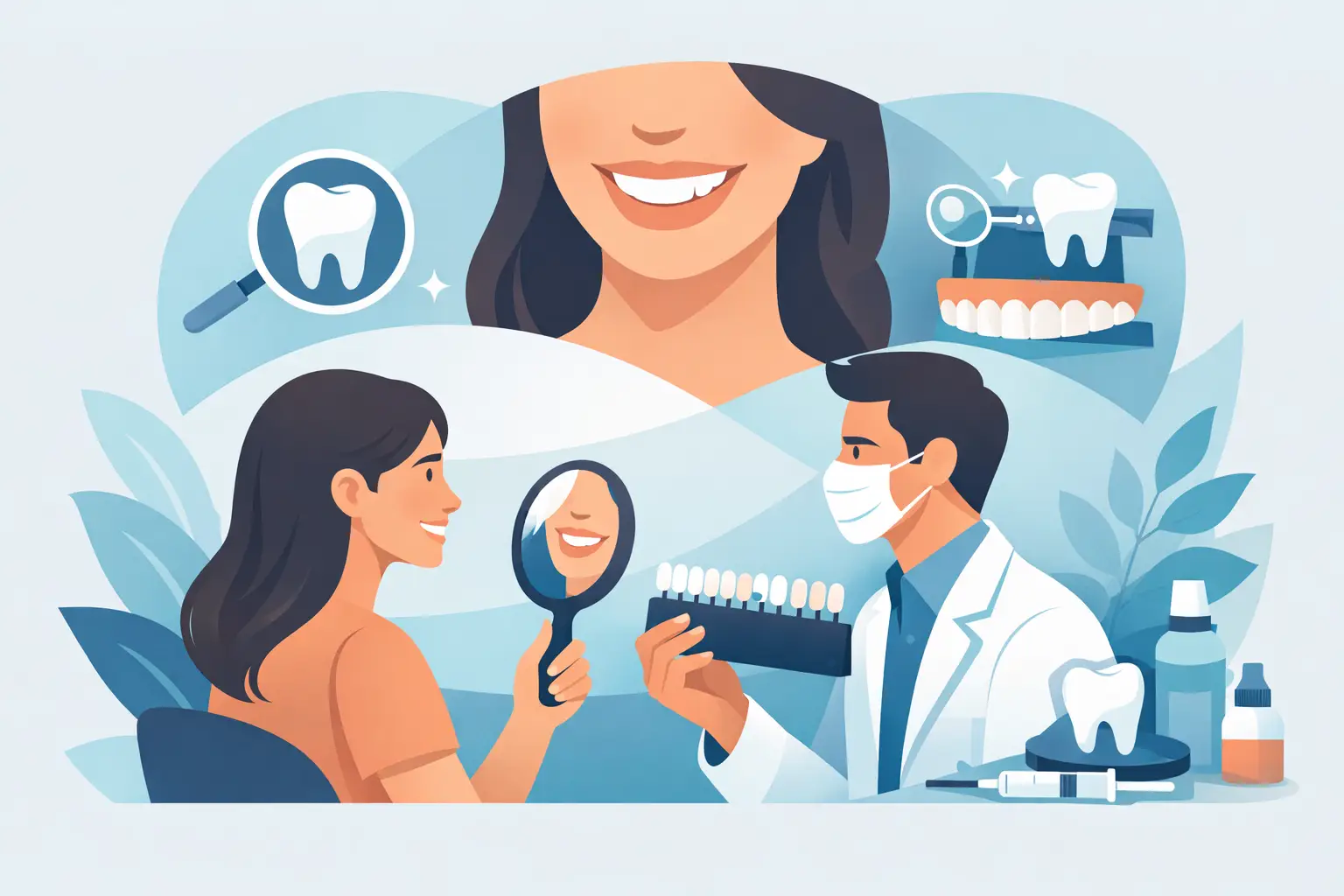
A beautiful smile can look simple from the outside. Behind it, though, are dozens of decisions about facial balance, bite function, materials, tooth shape, and long-term durability. If you are researching how to choose cosmetic dentist care that truly fits your goals, the right question is not just who offers veneers or whitening. It is who has the training, judgment, and planning ability to deliver results that look natural and hold up over time.
Cosmetic dentistry is not one-size-fits-all. Two offices may advertise the same treatment, yet approach smile design in very different ways. One may focus only on appearance. Another may evaluate how your gums, bite, existing restorations, and overall oral health affect the final result. That difference matters, especially if you are investing in veneers, Invisalign, crowns in the smile zone, or a more complete smile makeover.
How to choose cosmetic dentist care with confidence
Start by looking at the dentist's background, not just the menu of services on the website. Cosmetic dentistry blends art and clinical precision. Strong results require an eye for proportion and symmetry, but they also require a deep understanding of tooth structure, occlusion, periodontal health, and restorative planning. In many cases, the best cosmetic outcomes come from dentists who can think beyond surface changes and evaluate the full picture.
Credentials should tell a meaningful story. Look for advanced training in cosmetic and restorative procedures, continuing education, and experience with complex treatment planning. If a patient has worn teeth, old dental work, missing teeth, or bite instability, cosmetic treatment may overlap with restorative dentistry. That is where a provider with broader expertise can make a major difference.
Before-and-after photos are one of the most useful tools in your search, but they need to be interpreted carefully. A strong gallery should show more than dramatic lighting and close-up angles. Look for consistency across cases. Do the smiles appear natural, balanced, and appropriate for each patient's face? Do the teeth look like real teeth, or do they look overly white, bulky, or identical from case to case? Good cosmetic dentistry should enhance your appearance, not erase your individuality.
What to look for in a cosmetic dentist consultation
The consultation often reveals more than any advertisement ever will. A quality cosmetic consultation should feel thorough, clear, and personalized. The dentist should ask what you want to change, what bothers you when you smile, and what outcome would feel successful to you. Some patients want subtle refinement. Others want a more noticeable transformation. Neither goal is wrong, but your treatment plan should match your priorities.
You should also expect a detailed clinical evaluation. That may include digital imaging, photographs, bite analysis, and a review of existing dental conditions that could affect cosmetic work. If a dentist recommends treatment without examining the health of your teeth and gums, that is a reason to pause. Cosmetic dentistry works best when the foundation is healthy and stable.
Pay attention to whether the dentist explains options instead of pushing a single solution. Veneers can be an excellent treatment, but they are not automatically the right answer for every patient. In some cases, Invisalign, bonding, whitening, contouring, or carefully designed crowns may be more appropriate. A skilled cosmetic dentist should walk you through the trade-offs, including longevity, maintenance, tooth preparation, cost, and expected results.
That conversation should be easy to follow. Expert care does not need confusing language to sound credible. If you leave the consultation feeling rushed, pressured, or unclear about what is being proposed, keep looking.
Technology matters, but judgment matters more
Modern technology can improve cosmetic treatment in meaningful ways. Digital scanners, high-quality photography, 3D imaging, and advanced design tools can help with diagnosis, planning, communication, and precision. These systems are especially valuable when cosmetic improvements need to align with restorative work or changes in bite position.
Still, technology is only as good as the clinician using it. A scanner cannot replace aesthetic judgment. Smile design software cannot guarantee a result that suits your face. The real advantage comes when an experienced dentist uses technology to support careful planning, not to replace it.
If you are comparing offices, ask how they use technology in cosmetic cases. Do they use it to improve accuracy and patient communication? Can they show you how they plan shape, symmetry, and function before treatment begins? Those are stronger indicators than simply listing devices in a marketing headline.
Experience with complex cases can protect your investment
Some cosmetic cases are straightforward. Others are not. If you have chipped teeth, worn enamel, old crowns, gum concerns, spacing issues, or missing teeth, cosmetic dentistry may need to be coordinated with restorative or surgical treatment. In those situations, choosing a dentist with experience in comprehensive care can save time, reduce surprises, and lead to a more stable result.
This is especially relevant for patients who do not want to visit multiple offices for different phases of care. A practice that understands both esthetics and underlying function can often plan more efficiently and more predictably. At Trinity Dental Arts, that comprehensive approach is central to how advanced cosmetic and restorative cases are evaluated.
A dentist who regularly handles more involved treatment is often better prepared to recognize limitations early. That does not always mean your case is complicated. It means your provider is less likely to overlook issues that could affect appearance, comfort, or longevity later.
How to compare cosmetic dentists without getting overwhelmed
Reviews can be helpful, but they should not be your only filter. Look beyond star ratings and focus on patterns in patient feedback. Do patients mention clear communication, natural-looking results, attention to detail, and confidence in the treatment plan? Those comments are often more valuable than vague praise.
It also helps to compare the philosophy of care. Some dentists emphasize speed. Others prioritize customization and precision. If you are making a significant investment in your smile, faster is not always better. Cosmetic dentistry should move at the pace needed for proper planning, material selection, and fit.
Cost deserves honest attention too. The cheapest option may lead to compromises in materials, planning time, lab quality, or follow-up care. On the other hand, the highest fee does not automatically guarantee the best outcome. Ask what is included in the treatment fee, whether provisional planning or mock-ups are available, and how adjustments are handled if refinements are needed.
A trustworthy dentist should be transparent about both value and limitations. If your goals are unrealistic, you should hear that. If a less invasive option can meet your needs, you should hear that too. The right provider is not just selling a procedure. They are guiding a decision.
Questions worth asking before you commit
A few well-chosen questions can make the process clearer. Ask how often the dentist performs the procedure you are considering. Ask to see examples of similar cases. Ask what could affect the longevity of the result and what maintenance will look like after treatment.
You can also ask who designs and fabricates the restorations if veneers or cosmetic crowns are involved. Lab quality has a direct effect on appearance. Shade, texture, translucency, and shape are not minor details. They are often the difference between a smile that looks polished and one that looks artificial.
If you tend to clench or grind, mention it. If you have had past dental work that failed, mention that too. A cosmetic dentist should take those factors seriously because they influence material choice and treatment design.
Red flags patients should not ignore
Be cautious if every patient seems to receive the same cosmetic recommendation. Be cautious if the office focuses heavily on appearance but says little about function, bite, or oral health. And be cautious if the only selling point is a discount or limited-time offer.
Another red flag is a lack of individualized planning. Cosmetic dentistry should not feel generic. The best outcomes are tailored to facial features, lip movement, age, tooth display, and personal goals. If the process feels like a template, the result may look like one.
You should also be wary of unrealistic promises. No ethical dentist can guarantee perfection. What they can provide is a thoughtful plan, a clear explanation of what is achievable, and the skill to execute treatment with precision.
Choosing a cosmetic dentist is ultimately about trust backed by evidence. You want a provider who can show results, explain the reasoning behind the plan, and protect both the beauty and health of your smile. When the right dentist combines advanced training, careful diagnosis, and personalized design, the outcome tends to feel the way great cosmetic dentistry should feel - natural, confident, and unmistakably yours.