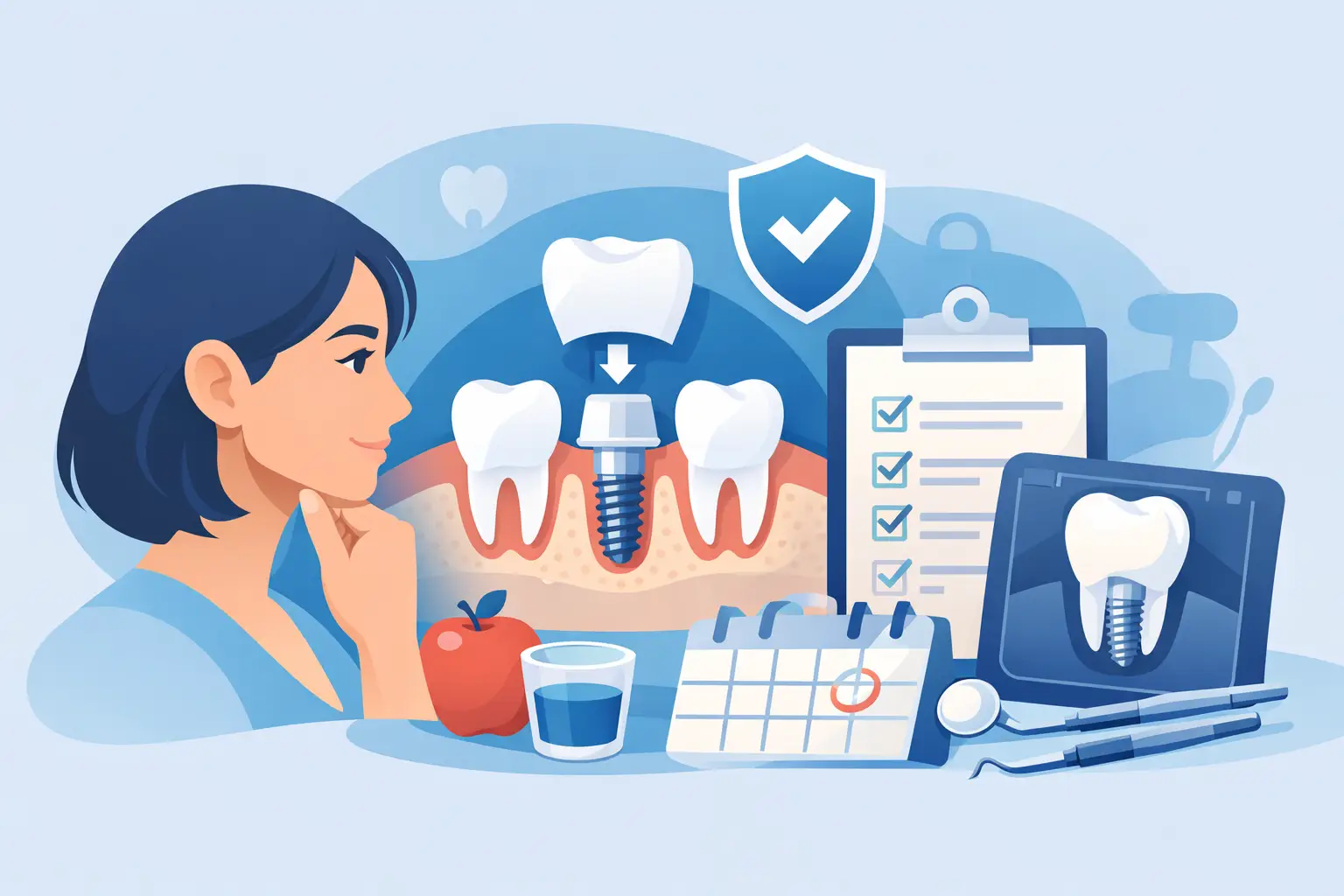
If you have been told you may be a candidate for implants, the first question is usually not about the procedure itself. It is what happens before it. Knowing how to prepare for dental implants can make treatment feel far more manageable, and it can also improve healing, comfort, and long-term results.
Dental implants are not a one-size-fits-all treatment. The best outcomes come from careful planning, a complete health review, and a clear understanding of what your mouth needs before surgery begins. For some patients, preparation is straightforward. For others, it may include gum treatment, bone grafting, or changes to medications and daily habits.
How to prepare for dental implants starts with a full evaluation
Preparation begins with diagnosis, not guesswork. A proper implant workup typically includes a detailed exam, digital imaging, and a review of your medical and dental history. This is where your doctor determines whether you have enough bone, whether infection is present, and whether the bite and surrounding teeth can support a lasting result.
This stage matters because implants do not simply replace a tooth above the gumline. They replace the root structure within the bone. That means the quality and quantity of available bone, the health of the gums, and the position of nearby anatomical structures all affect planning.
An experienced implant provider will also look beyond the missing tooth itself. If a crown is failing, nearby teeth are shifting, or the bite is placing too much force on one area, those issues may need to be addressed first. Dr. Xhoana Gjelaj emphasizes this kind of comprehensive planning because implant success depends on precision before surgery, not just skill during it.
Your oral health may need attention first
Many patients assume they can move directly into implant placement. Sometimes that is true. Often, there are a few preparatory steps that create a stronger foundation.
If you have periodontal disease, active decay, or an untreated infection, those conditions usually need to be controlled first. Implants placed into an unhealthy oral environment face a higher risk of complications. The goal is to reduce bacteria, stabilize the gums, and make sure the tissue surrounding the future implant site is healthy enough to heal predictably.
Tooth extraction can also be part of implant preparation. If a damaged or non-restorable tooth is still present, your dentist will evaluate whether it should be removed before implant placement, at the same time, or whether immediate implant placement is possible. It depends on bone support, infection, tissue condition, and cosmetic considerations.
Some patients also need bone grafting or a sinus graft. That can sound intimidating, but in many cases it is simply the step that makes implants possible or improves the long-term prognosis. If bone has shrunk after tooth loss, rebuilding the area may be the right move rather than forcing treatment into compromised anatomy.
Medical preparation is just as important
A successful implant case is not only about the mouth. Your overall health plays a major role in healing.
During your consultation, be ready to discuss all medical conditions, medications, and supplements. That includes blood pressure medications, blood thinners, diabetes medications, osteoporosis drugs, and anything taken regularly or as needed. Even supplements and over-the-counter products can affect bleeding or recovery.
Certain conditions do not automatically rule out implants, but they may change the timing or protocol. Diabetes, for example, may need to be well controlled before surgery. Smoking is another major factor. Patients who smoke can still be candidates, but smoking raises the risk of delayed healing, infection, and implant failure. If you smoke or vape, your dentist may recommend stopping before and after surgery for a specific period.
If you have a history of teeth grinding or clenching, say so early. That habit can place heavy pressure on implants and may influence the design of your restoration or the need for a nightguard later.
How to prepare for dental implants in the weeks before surgery
Once your treatment plan is confirmed, preparation becomes more practical. This is the stage where small decisions can make the surgical day easier.
Start by following all pre-op instructions carefully. If your dentist prescribes an antibacterial rinse, antibiotics, or any other medication before surgery, take them exactly as directed. Do not stop or adjust prescription medications on your own unless you have been specifically told to do so.
Keep your mouth as clean as possible in the days leading up to treatment. Excellent brushing and flossing will not replace professional care, but it does reduce bacterial load and supports healthier healing tissue.
It is also smart to plan your schedule realistically. Even if implant surgery is relatively comfortable, you do not want to stack your calendar with meetings, travel, or strenuous activity immediately afterward. Most patients benefit from setting aside time to rest, eat softer foods, and let the body recover.
If sedation is part of your treatment, you will likely need someone to drive you home. Confirm that in advance rather than the night before. Sedation can make treatment feel much easier, especially for anxious patients, but it does require planning.
Prepare your home for a smoother recovery
A little preparation at home can reduce stress after surgery. Stock up on soft foods you can tolerate comfortably, such as yogurt, eggs, smoothies, soup that is not too hot, oatmeal, mashed vegetables, and similar options. If you are receiving a larger implant case or full-mouth treatment, this matters even more.
Have ice packs ready, along with any medications your dentist recommends. Set up a place where you can rest with your head elevated if needed. If you care for children, manage work calls, or have a physically demanding routine, it helps to arrange support in advance.
Patients sometimes focus so much on surgery that they forget about the first 48 hours after it. That window is where planning pays off. The easier you make recovery on yourself, the more likely you are to follow instructions and heal well.
Questions to ask before moving forward
Preparation also means clarity. You should know what type of implant treatment you are receiving, whether that is a single implant, multiple implants, implant-supported bridges, or full-arch options such as All-on-4 or All-on-X.
Ask how many phases your treatment will involve. Some cases allow immediate temporary teeth, while others require a healing period before the final restoration. Neither is automatically better for every patient. The right choice depends on your anatomy, function, bite forces, esthetic goals, and risk factors.
You should also understand the financial side before treatment begins. Implant care is an investment, and patients appreciate clear expectations. Ask about total cost, what is included, whether grafting or temporary restorations are separate, and what financing options may be available. The right office will explain this without pressure.
Mental preparation matters more than most patients expect
Dental implant treatment often carries emotional weight. Some patients have been living with missing teeth, dentures, failing dental work, or discomfort for years. Others are worried about pain, appearance, or whether they are making the right decision.
The most helpful approach is to replace vague fear with specifics. Ask what you are likely to feel during surgery, how long recovery usually takes, and what normal healing looks like. In experienced hands, implant placement is often easier than patients expect. Anxiety usually rises in the unknown, not in the actual process.
It also helps to remember that implant treatment is not just about replacing teeth. It is about restoring function, confidence, and long-term stability. Preparation is part of that process. When the planning is thorough, the surgery tends to feel less overwhelming because you know what has been considered in advance.
What can delay implant treatment?
Sometimes the best preparation is patience. There are situations where moving slower leads to a better final result.
Uncontrolled gum disease, untreated infection, insufficient bone volume, heavy smoking, poorly managed diabetes, and certain medication concerns can all delay treatment. That does not necessarily mean implants are off the table. It usually means the foundation needs to be improved first.
This is where provider experience matters. A practice that offers advanced surgical and restorative care in one setting can evaluate whether you need supportive procedures now or whether a staged approach will protect the long-term outcome. For patients in Trinity and the surrounding Tampa Bay area, that level of coordination can save time and reduce confusion.
The strongest implant cases are rarely rushed. They are diagnosed carefully, planned precisely, and prepared thoroughly. If you are wondering how to prepare for dental implants, the most valuable step is choosing a doctor who sees the full picture and builds your treatment around lasting success, not just the next appointment.