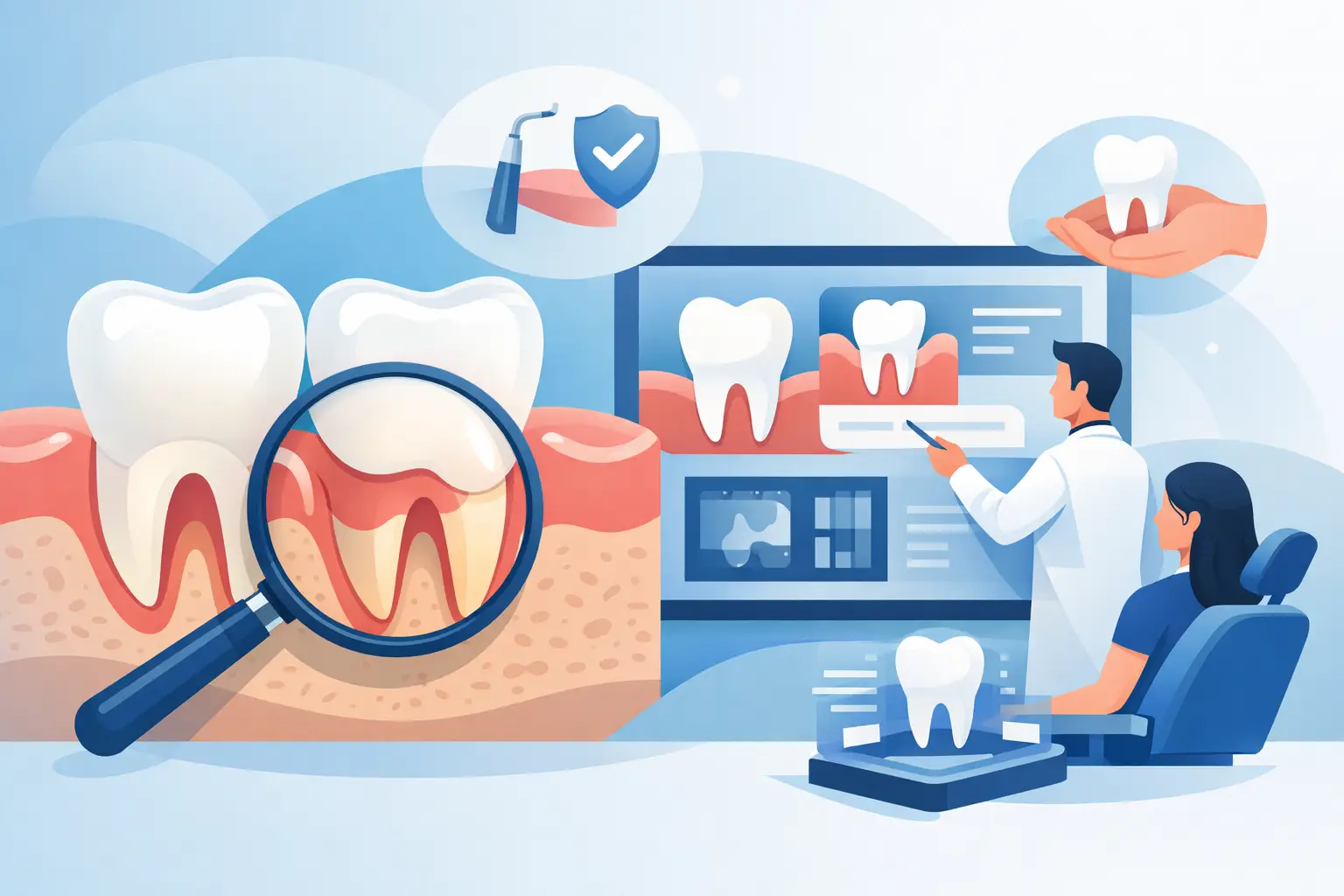
A tooth can be perfectly healthy and still look longer than it used to. That change is often gum recession, a condition in which gum tissue pulls away from the tooth and exposes more of the root. If you are researching how to treat gum recession, the right answer starts with identifying why it happened. Home care can help prevent further damage, but tissue that has already receded does not usually grow back on its own.
Gum recession can affect appearance, comfort, and long-term tooth stability. Exposed roots are more vulnerable to sensitivity, root decay, and wear. When recession is linked to gum disease, it may also signal loss of the bone that supports the teeth. A timely evaluation gives you the best opportunity to protect what is healthy and plan treatment that fits the cause and severity of the problem.
How to Treat Gum Recession Starts With the Cause
Receding gums are not one-size-fits-all. Some people have naturally thin gum tissue or a prominent tooth root that is more prone to recession. Others develop it after years of inflammation, aggressive brushing, tooth grinding, tobacco use, poorly positioned teeth, or unstable bite forces. Orthodontic movement can occasionally reveal thin tissue around certain teeth, particularly when the gum and bone were already limited.
The most common cause is periodontal disease. Plaque bacteria can inflame the gums and, over time, destroy the tissue and bone that hold teeth in place. Recession may develop gradually, so it is easy to miss until sensitivity appears or the teeth begin to look uneven.
A comprehensive exam should determine whether the recession is stable or active. Your dentist may measure gum pockets, evaluate bleeding and inflammation, assess bite forces, review X-rays for bone changes, and check for root decay or cracked teeth. This diagnostic step matters because treating sensitivity alone will not stop recession caused by infection or heavy clenching.
When Home Care Can Help
Good daily habits are essential, but they are not a substitute for treatment when gum disease or tissue loss is present. The goal at home is to control plaque, reduce trauma, and protect exposed root surfaces.
Use a soft-bristled toothbrush with light pressure and a gentle angle along the gumline. Scrubbing side to side with a hard brush can gradually wear away gum tissue and the root surface. An electric toothbrush with a pressure sensor can be useful for people who tend to brush too forcefully.
Clean between the teeth daily with floss, interdental brushes, or another tool recommended for the size and shape of your spaces. A clinician may also recommend a fluoride toothpaste or prescription-strength fluoride to protect exposed roots from decay. If sensitivity is bothersome, a desensitizing toothpaste can help reduce discomfort over several weeks, although it does not correct the recession itself.
If grinding or clenching is contributing to recession, a custom nightguard may protect teeth from excessive forces. It is most effective when it is part of a broader plan that also addresses gum health, bite concerns, and any damaged dental work.
Professional Treatment for Receding Gums
The appropriate treatment depends on whether the priority is stopping disease, reducing sensitivity, improving esthetics, covering roots, or rebuilding support around compromised teeth. In many cases, treatment happens in stages.
Treating inflammation and periodontal disease
When bacterial buildup and periodontal disease are present, professional periodontal therapy comes first. Deep cleaning below the gumline may be needed to remove deposits from root surfaces and reduce inflammation. Follow-up maintenance is critical because gum disease can return without consistent professional monitoring and effective home care.
For some patients, advanced periodontal treatment may be necessary when deep pockets, ongoing bone loss, or complex anatomy remains after initial therapy. The objective is to create a cleaner, healthier environment around the teeth before considering cosmetic root coverage or restorative dentistry.
Protecting exposed roots
If recession is mild and stable, a tooth-colored bonding material may be placed over an exposed root. This can reduce sensitivity, cover worn areas, and improve the appearance of a tooth that looks unusually long. Bonding is conservative, but it does not restore missing gum tissue or address the underlying cause. It may also need maintenance over time, especially in areas exposed to strong bite forces.
Fluoride varnish and desensitizing treatments can provide additional protection for exposed roots. These are often useful when the main concern is temperature sensitivity rather than a cosmetic change.
Gum grafting for root coverage
For moderate or advanced recession, gum grafting may be the most predictable way to add tissue thickness and cover exposed roots when anatomy allows. During this procedure, a clinician places carefully selected tissue over the recessed area. The tissue may come from the patient’s palate or from a processed donor source, depending on the clinical situation and treatment plan.
A graft can improve comfort, make the gumline appear more balanced, and reduce the chance of additional recession in vulnerable areas. Complete root coverage is not guaranteed in every case. Results depend on the location of the tooth, how much supporting bone remains, the thickness of existing tissue, oral hygiene, smoking status, and the pattern of recession.
Recovery typically requires a soft-food diet, careful cleaning instructions, and avoidance of brushing directly on the surgical site for a period of time. Patients should expect healing to take weeks, with tissue maturation continuing beyond the initial recovery period.
Laser dentistry and surgical planning
Laser dentistry may be used in selected periodontal procedures to manage inflamed tissue or support treatment in specific areas. However, a laser is not a universal cure for gum recession, and it cannot replace lost gum and bone simply by removing tissue. The best approach is based on diagnosis, not on a single technology.
When recession is associated with failing restorations, missing teeth, severe bite problems, or bone loss, the treatment plan may need to coordinate periodontal care with restorative dentistry. This is particularly important before veneers, crowns, dental implants, or full-mouth restoration. Healthy, stable gum tissue is the foundation for results that look natural and remain easier to maintain.
Signs You Should Schedule an Evaluation
Do not wait for severe pain. Gum recession is often painless until the root becomes sensitive or decay develops. An evaluation is worthwhile if you notice teeth appearing longer, a notch near the gumline, new sensitivity to cold or sweets, bleeding gums, persistent bad breath, loose teeth, or a gumline that seems to be changing.
Urgent care is especially appropriate if swelling, pus, significant tooth mobility, or sudden changes around an implant or crown are present. These symptoms may indicate an active infection or a structural problem that needs prompt attention.
What Happens if Gum Recession Is Left Untreated?
Not every small area of recession progresses quickly. A stable, shallow recession with healthy gums may be monitored while you improve brushing technique and maintain regular cleanings. The trade-off is that exposed roots still require protection from sensitivity and decay, and changes should be tracked over time.
Active recession is different. As more root surface becomes exposed, teeth can become increasingly sensitive and difficult to keep clean. Root cavities can form more easily than cavities in enamel. If periodontal disease is involved, untreated inflammation can continue damaging bone and eventually threaten the teeth themselves.
A personalized plan is more valuable than trying to select a treatment based on photos or a single symptom. At Trinity Dental Arts, Dr. Xhoana Gjelaj and the clinical team can evaluate gum health alongside bite function, restorative needs, and the appearance of your smile, so care is designed around the full picture rather than a temporary fix.
Gum recession deserves attention before it becomes a larger restorative problem. If your gumline has changed or a tooth has become newly sensitive, a focused exam can clarify whether simple protective care is enough or whether periodontal treatment can help preserve your smile for years ahead.