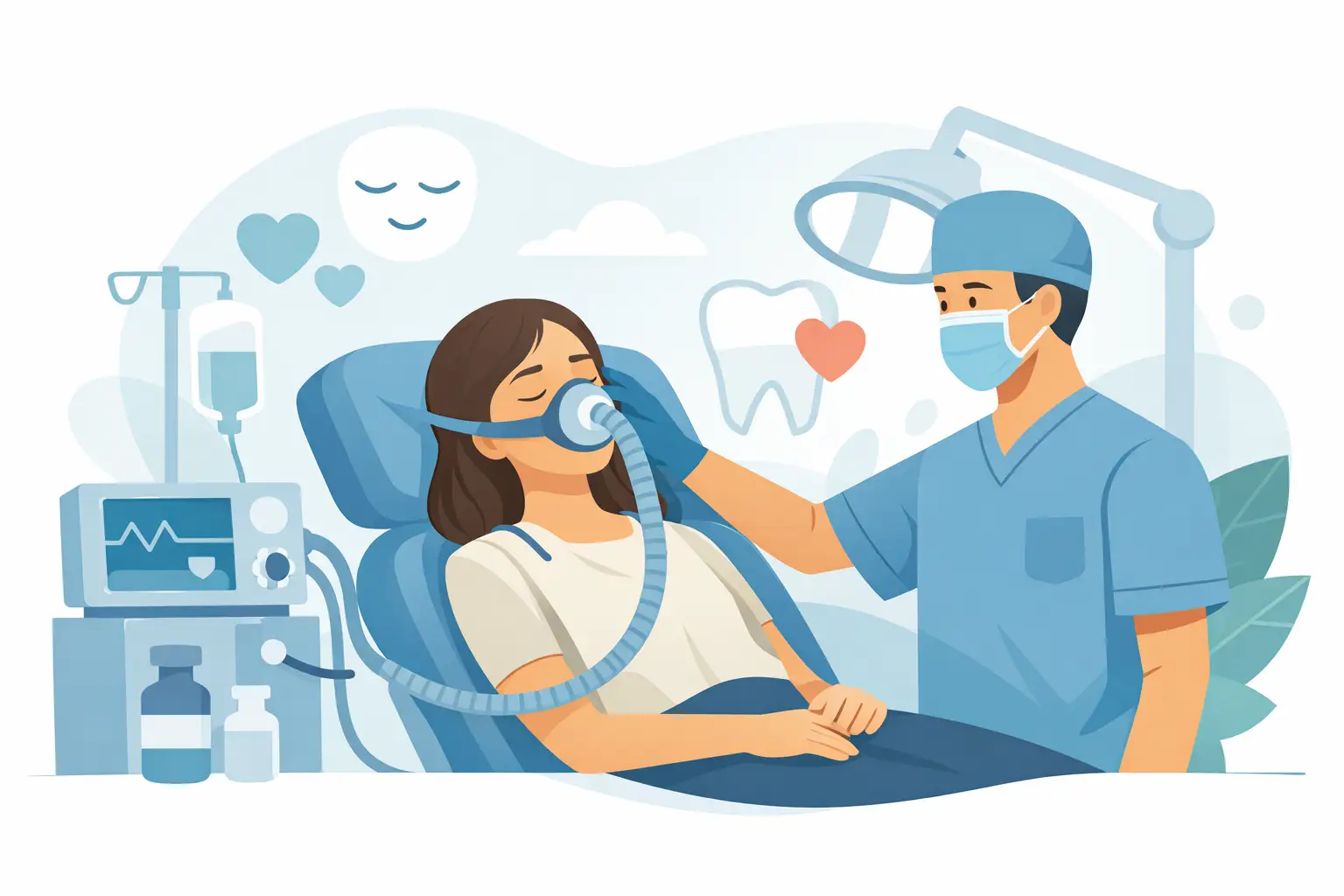
That moment when your heart starts racing in the parking lot is real, and for many people, it is the hardest part of getting dental care. Sedation dentistry for anxious patients is designed for exactly this problem. It helps reduce fear, ease physical tension, and make treatment feel more manageable, whether you need a routine procedure or more complex care such as dental implants, extractions, or full-mouth restoration.
Dental anxiety is not all the same. Some patients feel uneasy about needles or the sound of instruments. Others have had a painful experience in the past, a strong gag reflex, difficulty getting numb, or trouble sitting still for longer appointments. For some, anxiety has delayed treatment for years, which can turn a smaller issue into a more serious restorative need. That is why sedation is not just about comfort. In the right setting, it can help patients move forward with care they have been putting off.
Why sedation dentistry for anxious patients matters
When people avoid the dentist, the consequences tend to build quietly. A small cavity becomes a larger restoration. A cracked tooth turns into an infection. Missing teeth can lead to shifting, bite changes, and bone loss. Anxiety can also make appointments feel harder than they need to be, especially when treatment is more involved.
Sedation creates a different experience. Instead of spending the entire visit in a heightened state of stress, patients can feel calmer, less reactive, and more able to tolerate care. For adults considering implants, cosmetic treatment, or extensive restorative work, this can make a meaningful difference. Longer appointments often become more realistic, and treatment plans that once felt overwhelming may start to feel achievable.
There is also a quality-of-care benefit. A relaxed patient is generally easier to treat safely and efficiently. That matters when precision is essential, particularly in implant planning, oral surgery, and full-mouth cases.
What sedation dentistry actually includes
Sedation is not one single method. The best choice depends on your medical history, your anxiety level, the type of procedure, and how long the appointment is expected to last.
Nitrous oxide
Nitrous oxide, often called laughing gas, is one of the lightest forms of sedation. It is inhaled through a small mask and helps patients feel more relaxed during treatment. You remain awake and able to respond, but the edge of anxiety is reduced.
This option is often a good fit for mild to moderate nervousness, shorter procedures, or patients who want help relaxing without lingering downtime. One practical advantage is that recovery is usually quick.
Oral conscious sedation
Oral sedation uses prescribed medication taken before the appointment. It produces a deeper sense of calm than nitrous oxide for many patients. You are still conscious, but you may feel drowsy and remember less of the visit.
This can be helpful for patients with stronger anxiety, a history of avoiding care, or those having more involved treatment. The trade-off is that you will typically need someone to drive you to and from the office, and the effects can last longer.
IV sedation
IV sedation is often considered for moderate to severe anxiety or more complex treatment. Because it is administered directly into the bloodstream, it can be carefully adjusted during the procedure. Patients usually feel deeply relaxed and often remember very little afterward.
For extensive work such as multiple extractions, implant placement, or full-mouth rehabilitation, IV sedation may provide the highest level of comfort short of general anesthesia. It also allows the clinical team to maintain close control over the sedation level throughout the visit.
Who is a good candidate for sedation?
Many adults who ask about sedation assume their fear has to be extreme for it to be appropriate. That is not true. You may be a good candidate if you have significant dental anxiety, a strong gag reflex, difficulty getting numb, sensitive teeth, past traumatic dental experiences, or a need for longer or more complex treatment.
Sedation can also help if embarrassment has been keeping you away. Patients who need major restorative or cosmetic work often feel self-conscious about the condition of their teeth. In those situations, a calm, judgment-free environment matters just as much as the sedation method itself.
That said, not every option suits every person. Certain medical conditions, medications, sleep apnea, pregnancy, and health history factors may affect which type of sedation is safest. A proper review of your health and treatment goals should always come first.
What to expect before and during the appointment
The process should begin with a detailed consultation, not a rushed promise that sedation will solve everything. A well-run evaluation looks at your anxiety triggers, the procedure being planned, your medication list, your vital signs, and your overall health. This is also the time to talk honestly about what makes dental visits difficult for you.
If sedation is appropriate, your dentist will explain the available options, what level of awareness to expect, and how to prepare. Preparation may include fasting instructions, arranging transportation, and adjusting certain medications only if directed.
During treatment, the clinical team monitors you closely. Depending on the sedation method, that may include tracking oxygen levels, blood pressure, and heart rate. Patients are often surprised by how quickly the appointment seems to pass. For many, the anticipation is worse than the actual visit.
Afterward, recovery depends on the type of sedation used. Nitrous oxide tends to wear off quickly, while oral sedation and IV sedation usually require more downtime. Clear post-op instructions are essential, especially if the procedure itself involves surgery or restorative work.
Sedation and complex dental treatment
This is where sedation often becomes especially valuable. Patients who need implant surgery, bone grafting, multiple crowns, or full-mouth restoration are not just looking for a gentler cleaning visit. They want confidence that they can complete the treatment comfortably and in a controlled environment.
For these cases, experience matters. Sedation is most beneficial when it is paired with advanced planning, precise diagnostics, and a provider who routinely manages complex treatment. Dr. Xhoana Gjelaj’s focus on comprehensive implant and restorative care is relevant here because anxious patients often need more than a quick fix. They need a doctor who can evaluate the full picture, explain the options clearly, and complete treatment with both technical skill and attention to comfort.
In practical terms, sedation may allow more work to be completed in fewer visits. That can reduce repeated stress and help patients stay on track with treatment. Still, more sedation is not always better. Some people do very well with nitrous oxide and thoughtful communication, while others benefit from deeper relaxation. The right plan is individualized.
Safety and trade-offs to understand
Sedation dentistry has strong safety protocols when provided by trained professionals who screen patients carefully and monitor them appropriately. Even so, it should never be presented as casual or one-size-fits-all.
Every option comes with considerations. Nitrous oxide is lighter but may not be enough for severe anxiety. Oral sedation is convenient but less adjustable once taken. IV sedation offers greater control and deeper relaxation, but it requires more preparation and a longer recovery period. Cost can also vary based on the type of sedation and the complexity of treatment.
It is also worth knowing what sedation does not do. It does not replace local anesthetic for pain control, and it does not eliminate the need for good communication. The best patient experience usually comes from a combination of skilled treatment, clear expectations, and a sedation option matched to the procedure and the person.
Choosing the right office for sedation dentistry for anxious patients
If you are researching practices, look beyond whether sedation is simply listed on a services page. Ask who provides it, what kinds are offered, how patients are monitored, and how often the team uses sedation for the procedures you need.
This is especially important if your treatment is advanced. A patient seeking cosmetic bonding has different needs than someone preparing for full-arch implants. You want a dental team that can manage both the sedation side and the clinical side at a high level. That combination often leads to a smoother experience, better efficiency, and greater peace of mind.
You should also feel heard during the consultation. Anxious patients do not need pressure. They need clarity. A good office will explain the process, respect your concerns, and help you understand the pros and limits of each approach.
Fear has a way of making dental problems feel bigger and more permanent than they are. The right sedation plan cannot erase every worry, but it can turn an avoided appointment into a realistic next step - and that is often where real progress begins.