Severe tooth pain has a way of taking over everything. Eating becomes difficult, sleep gets interrupted, and even a normal conversation can feel exhausting. If you are searching for what to do for severe tooth pain, the first priority is simple - control the pain safely, reduce irritation, and get the tooth evaluated as soon as possible.
A toothache this intense is usually a sign that something significant is happening. The cause may be decay that has reached the nerve, a cracked tooth, a deep infection, an abscess, gum disease, or pressure from an impacted tooth. In some cases, pain that feels like it is coming from one tooth may actually be related to clenching, grinding, or inflammation in the surrounding tissues. The reason this matters is that the right treatment depends on the actual source of the pain.
What to do for severe tooth pain right away
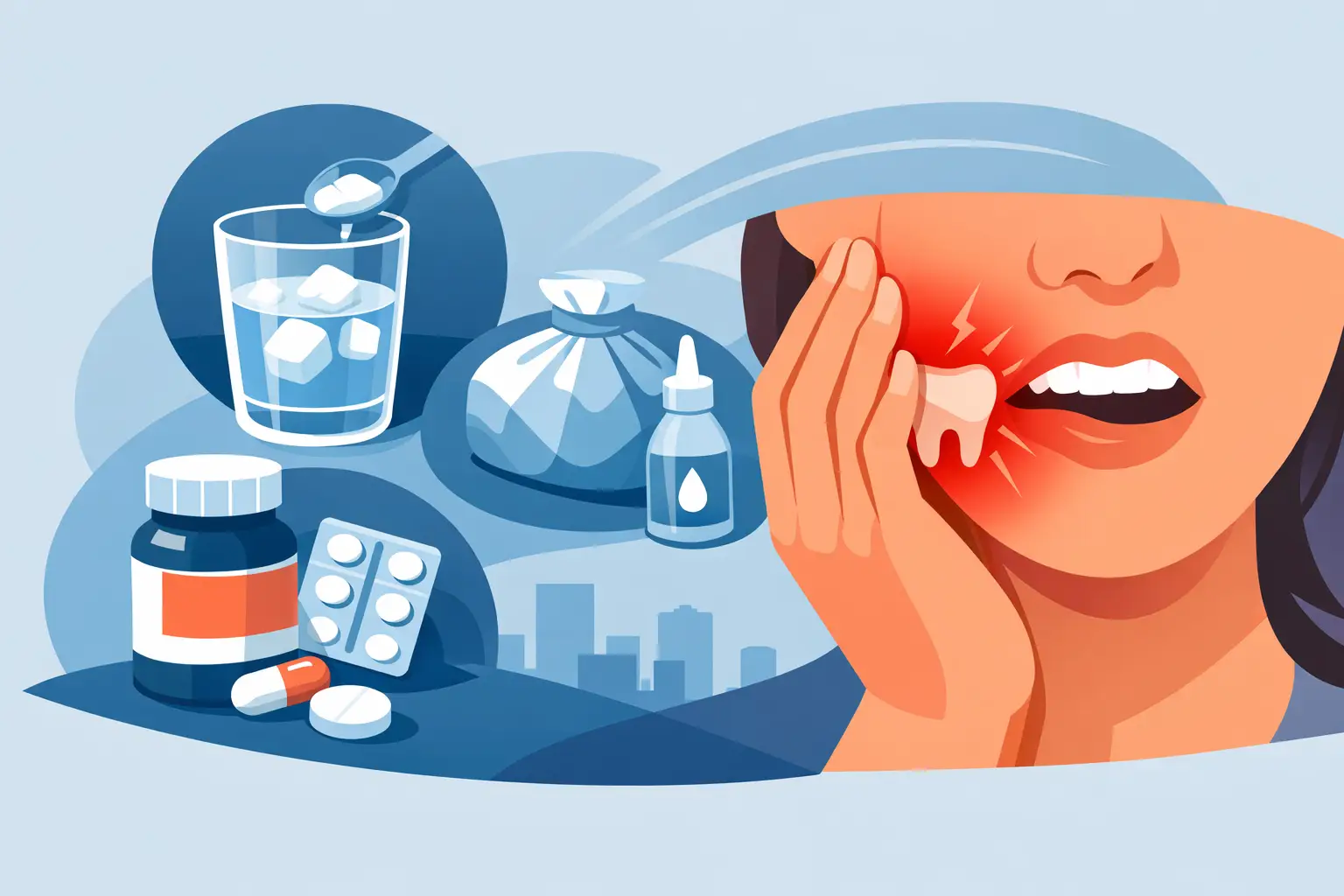
Start with a gentle rinse using warm salt water. This can help reduce surface irritation and clear away debris that may be trapped around the tooth or gumline. If food is caught between teeth, floss carefully. Do not snap the floss into the gums or keep working at the area if it makes the pain sharply worse.
A cold compress on the outside of the cheek is often the most useful next step, especially if there is swelling. Apply it for about 15 to 20 minutes at a time, then give the area a break. Cold can help quiet inflammation and make the pain more manageable while you arrange care.
Over-the-counter pain relievers may also help if you can take them safely. Many adults get better short-term relief from ibuprofen because it addresses inflammation as well as pain, but it is not right for everyone. People with certain stomach issues, kidney disease, blood-thinner use, or other medical conditions may need a different option. Acetaminophen can also be helpful, but it is important to follow label directions carefully and avoid exceeding the daily limit.
Try to keep your head elevated, especially when lying down. Tooth pain often feels worse when you are flat because pressure increases in the area. Sleeping slightly propped up can make the night more tolerable.
What not to do for severe tooth pain
When pain is intense, it is tempting to try anything. A few common home remedies can actually make the situation worse.
Do not place aspirin directly on the gum or tooth. This does not treat the source of the pain and can burn the soft tissue. Avoid very hot, very cold, or very sugary foods if those trigger sensitivity. It is also best not to chew on the painful side, because a cracked or weakened tooth can worsen quickly under pressure.
If there is swelling, drainage, or a bad taste in your mouth, do not assume it will resolve on its own. Dental infections can spread. Temporary improvement does not always mean the problem is gone.
When severe tooth pain is a dental emergency
Not every toothache requires same-hour treatment, but some symptoms should move you into urgent care mode. Severe pain with facial swelling is one of them. Swelling can signal infection, and infections in the mouth should be evaluated promptly.
You should also seek urgent dental attention if you have fever, pus, a foul taste that keeps returning, pain when biting, or a tooth that feels loose without a clear reason. Trauma is another major concern. If a tooth was cracked, broken, or knocked loose, timing matters for saving structure and preventing more extensive treatment.
Difficulty swallowing, trouble breathing, or rapidly increasing swelling are more serious warning signs. Those symptoms can go beyond a routine dental issue and may require immediate medical attention.
Why severe tooth pain happens
One of the most common causes is deep decay. A cavity may start small and cause little or no discomfort, but once bacteria move closer to the nerve, pain can become intense and unpredictable. You may notice throbbing, sharp sensitivity to temperature, or pain that lingers after eating or drinking.
Cracked teeth are another frequent cause. Some cracks are easy to see, while others are hidden and only hurt when you bite or release pressure. These cases can be frustrating because the pain may come and go, but the tooth still needs prompt diagnosis.
An abscessed tooth often creates severe, pulsing pain and may come with swelling, tenderness in the gums, or a pimple-like bump near the tooth. This is not something to monitor for days at home. Treatment may involve draining the infection, root canal therapy, or, in more advanced situations, extraction.
Gum disease can also cause significant discomfort, particularly if the infection affects the tissues and bone supporting the teeth. Sometimes patients assume all severe dental pain comes from the tooth itself, when the surrounding structures are heavily involved.
What a dentist may do to stop the pain
The fastest way to get meaningful relief is to identify the cause. A clinical exam and digital imaging can show whether the issue is decay, infection, fracture, gum involvement, or something else entirely. Once the source is clear, treatment becomes far more effective than trying random home remedies.
If the nerve inside the tooth is inflamed or infected, root canal therapy may be the best way to remove the source of pain and preserve the natural tooth. If the tooth is too damaged to save, extraction may be recommended. In other cases, a filling, crown, bite adjustment, or treatment for gum infection may solve the problem.
This is where experience matters. In a practice that handles both urgent care and complex restorative treatment, patients can often move from diagnosis to a clear treatment plan without being sent from office to office. For someone in significant pain, that kind of continuity makes a real difference.
What to do for severe tooth pain if the tooth is broken or cracked
A broken tooth needs a little different first aid. Rinse gently with warm water to keep the area clean. If there is bleeding, apply light pressure with clean gauze. A cold compress can help with swelling, and it is best to avoid chewing on that side entirely.
If a piece of the tooth has come off, save it if you can and bring it to your appointment. Do not try to glue it back in place yourself. Small chips may be repairable, but larger fractures can expose the inner part of the tooth and create severe sensitivity or infection risk.
Pain level does not always match the size of the break. A tiny crack in the wrong place can hurt more than a larger visible chip. That is why professional evaluation is still necessary even if the damage looks minor.
If severe tooth pain keeps coming back
Pain that improves and then returns is not a good sign. It often means inflammation is progressing rather than resolving. Sometimes the nerve inside the tooth is gradually breaking down. Sometimes pressure from infection builds and then temporarily releases. Either way, recurring pain usually points to a problem that needs treatment, not more waiting.
This pattern is especially common with cracked teeth and deep decay. Patients often say the pain started with cold sensitivity, then became occasional throbbing, then turned into spontaneous pain that wakes them up at night. That progression matters because it can influence whether a tooth can be treated conservatively or needs more involved care.
Relief now, treatment next
If you need to know what to do for severe tooth pain, the short answer is to reduce irritation, use safe temporary measures, and get urgent dental care before the problem escalates. Home care can make you more comfortable for a few hours. It cannot remove decay, close a crack, or stop an advancing infection.
For patients in Trinity and the surrounding area, prompt evaluation is the smartest next step when pain is strong, persistent, or paired with swelling. Under the care of an experienced provider such as Dr. Xhoana Gjelaj, the focus is not only getting you out of pain, but identifying the most effective long-term solution for your tooth, your bite, and your overall oral health. When tooth pain is severe, fast action protects more than comfort - it can protect your treatment options.