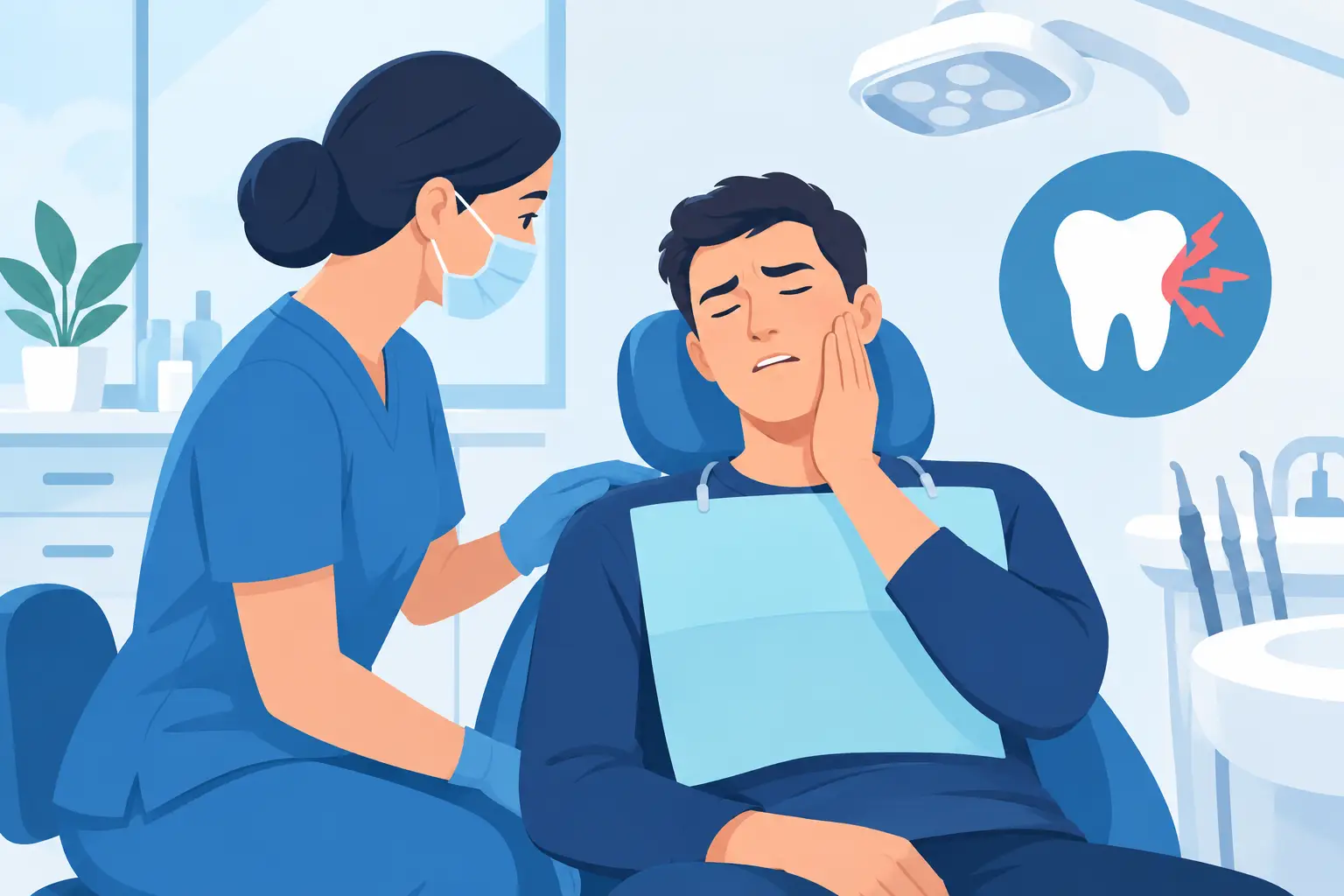
A severe toothache rarely waits for a convenient time. A cracked tooth during dinner, a crown that comes loose before an event, or swelling that appears overnight can leave you unsure whether to wait, call a dentist, or go straight to the emergency room. This emergency dental visit guide explains how to make that decision, what to do before your appointment, and why prompt treatment can protect both your comfort and your long-term oral health.
When Is a Dental Problem an Emergency?
A dental emergency is not defined by discomfort alone, although significant pain always deserves attention. The clearest warning signs are uncontrolled bleeding, facial swelling, a tooth that has been knocked out or loosened, severe pain, trauma to the mouth or jaw, and symptoms of infection.
Call a dental office promptly if you have a persistent toothache, a broken or cracked tooth, a lost filling or crown, a painful gum swelling, or a damaged implant restoration. These issues may not all require an emergency room, but they can worsen quickly without professional care. A small crack can reach the nerve. A loose crown can expose vulnerable tooth structure. An infection can spread beyond the tooth and become a more serious health concern.
If swelling affects your ability to breathe or swallow, extends toward the eye or neck, or is accompanied by fever, confusion, or severe weakness, seek immediate medical emergency care. Emergency rooms can help stabilize serious infections and systemic symptoms, while a dental team addresses the underlying source in the tooth, gums, or restoration.
What to Do Before an Emergency Dental Visit
The right first step depends on what happened. Your goal is to reduce discomfort, prevent further injury, and preserve any tooth or restoration that may be repaired or reattached.
For a knocked-out adult tooth, handle it only by the crown, which is the part normally visible above the gums. Do not scrub the root or remove attached tissue. If it is clean, gently place it back into the socket and bite lightly on gauze to hold it in place. If that is not possible, keep it moist in milk or a tooth-preservation solution. Time matters, so contact an emergency dentist immediately.
For a broken tooth, save any pieces you can find. Rinse your mouth gently with warm water and use a cold compress outside the cheek to reduce swelling. Avoid chewing on that side. If a sharp edge is cutting your cheek or tongue, dental wax can provide temporary protection until you are seen.
For a lost crown, keep the crown and bring it with you. Do not use household glue or attempt a permanent repair at home. If the exposed tooth is sensitive, avoid hot, cold, sweet, and sticky foods. A dentist can determine whether the existing crown can be recemented or whether decay, fracture, or changes in the tooth require a new restoration.
For bleeding after an injury or dental procedure, apply steady pressure with clean gauze for 15 to 20 minutes. A cold compress may help limit swelling. If bleeding remains heavy or does not slow with firm pressure, call for urgent guidance or seek emergency medical care.
Managing Pain Without Making the Problem Worse
Over-the-counter pain medication may help while you arrange care, provided it is safe for you based on your health history and current medications. Follow the package directions carefully. Do not exceed the recommended dose, and do not combine medications without guidance from a physician, pharmacist, or dental professional.
Never place aspirin, alcohol, or crushed medication directly on a painful tooth or gum tissue. These materials can burn the gums and make the area more difficult to treat. A warm saltwater rinse can help keep the mouth clean, while a cold compress on the outside of the face may reduce inflammation after trauma.
Avoid heat on facial swelling unless a clinician tells you otherwise. Heat may increase blood flow and can aggravate swelling related to infection. Soft foods, hydration, and gentle brushing around the affected area are usually better choices until your visit.
Why Swelling and Tooth Pain Need Prompt Attention
Tooth pain can come from many causes: deep decay, a cracked tooth, gum disease, bite pressure, a failing restoration, or inflammation around a tooth root. The treatment depends on a precise diagnosis. A pain reliever may mask symptoms temporarily, but it does not remove the infection, repair a fracture, or restore a damaged tooth.
Swelling deserves particular attention because it may indicate an abscess, which is a pocket of infection. Symptoms can include throbbing pain, a tender bump on the gums, a bad taste in the mouth, fever, or swelling in the face or jaw. Some abscesses drain and appear to improve, but the infection can remain active. Waiting for pain to return can turn a manageable problem into a more complex procedure.
At an emergency appointment, the dental team may use digital imaging and a focused examination to identify the source of the problem. Treatment may include stabilizing a tooth, replacing a temporary restoration, relieving pressure from an infection, treating a damaged nerve, or planning a more advanced restorative solution. The immediate goal is to control pain and protect your health. The long-term goal is to preserve function, appearance, and a stable bite whenever possible.
Emergency Dental Visit Guide: What to Expect
An emergency visit is designed to be efficient, but it should not be rushed. Expect questions about when the problem began, whether pain is constant or triggered by temperature or chewing, and whether you have experienced fever, swelling, trauma, or recent dental work. Bring a list of medications and health conditions, especially if you take blood thinners, have diabetes, or have had prior jaw or implant treatment.
Your dentist will examine the affected area and may take X-rays or 3D imaging when needed to evaluate roots, bone, fractures, and surrounding structures. From there, you should receive a clear explanation of the findings, immediate treatment options, anticipated next steps, and any recommended follow-up.
Some emergencies can be resolved in one visit. Others require a staged approach. For example, a severely damaged tooth may need emergency stabilization before a same-day crown, root canal treatment, implant planning, or full restorative treatment can be considered. The right choice depends on the amount of healthy tooth structure, the condition of the surrounding bone and gums, your bite, and your overall goals.
When a Damaged Tooth May Need Advanced Restoration
Not every painful or broken tooth can be saved predictably. When a tooth has extensive decay, a vertical root fracture, repeated failure under an old restoration, or major bone loss, replacing it may offer a better long-term outcome than repeated repairs. This is where advanced treatment planning matters.
At Trinity Dental Arts, Dr. Xhoana Gjelaj brings extensive experience in dental implant procedures and comprehensive restorative care to complex cases. If an emergency reveals a larger problem, patients can receive a plan that considers immediate comfort as well as the function, strength, and appearance of their final result. That may include preserving a tooth when possible, rebuilding a damaged tooth with a crown, or planning implant-supported tooth replacement after the area is healthy.
There is no one-size-fits-all answer. The most conservative treatment is not always the most durable option, and the fastest solution is not always the right one. A detailed evaluation helps ensure that urgent care supports the health of your smile months and years from now.
Do Not Wait for These Warning Signs
Contact an emergency dentist promptly for severe tooth pain, a loose or knocked-out tooth, a cracked tooth with pain, swelling in the gums or face, heavy bleeding, or a restoration that leaves sharp edges or exposed tooth structure. If you are uncertain whether the problem qualifies as urgent, it is still wise to call. A short conversation can help you avoid needless discomfort and prevent a small issue from becoming more involved.
Dental emergencies are stressful, but fast, informed action makes a real difference. Protect the area, save any tooth or restoration fragments, avoid home repairs, and seek professional guidance as soon as possible. Timely care can be the step that preserves your smile and restores your confidence.