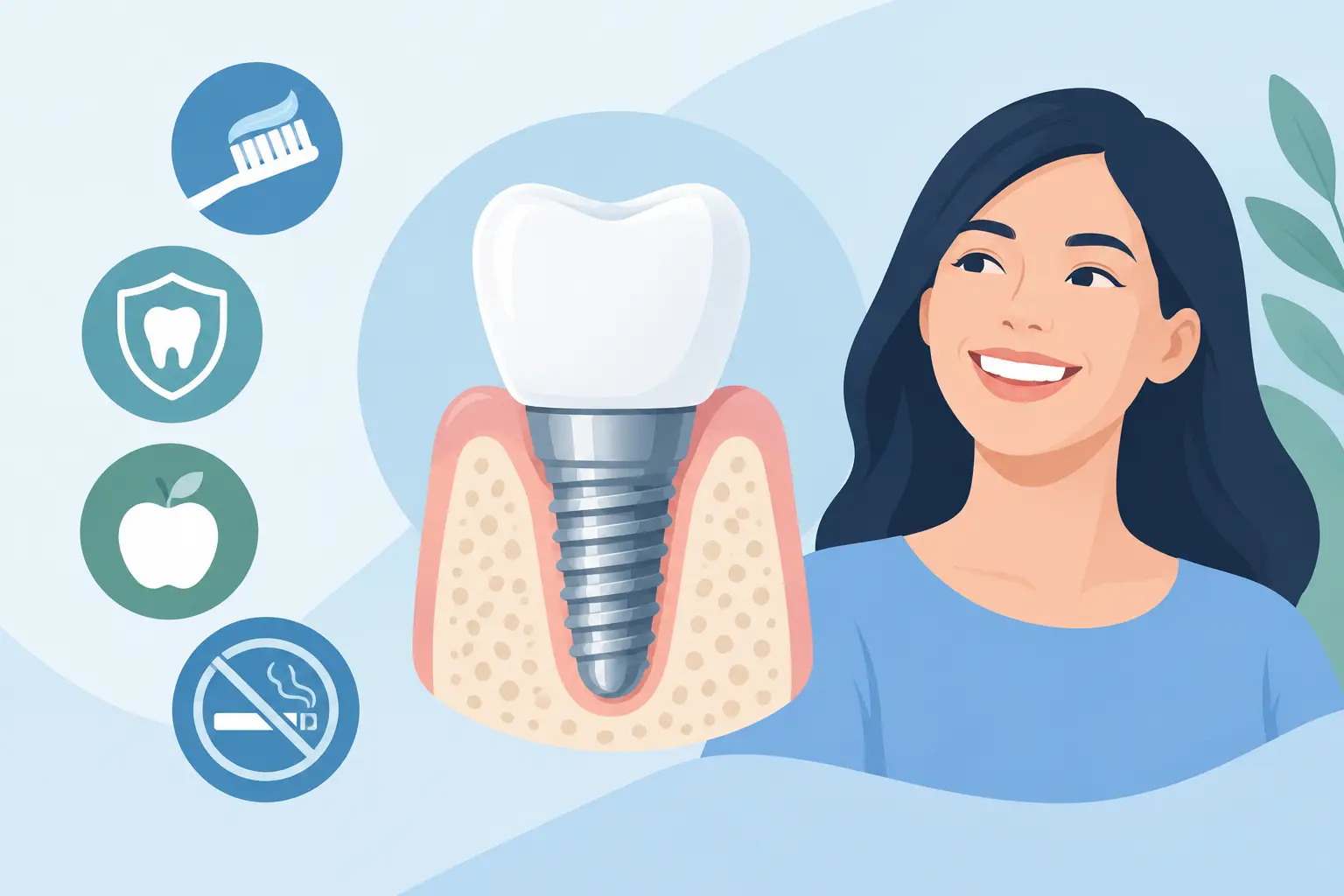
A dental implant is designed to become a stable, long-term part of your smile. Yet successful treatment is never just about placing an implant. To prevent implant failure, the work begins with a detailed diagnosis, continues through precise surgical and restorative care, and depends on the health habits you maintain afterward.
Implant complications are not always sudden or obvious. A loose restoration, recurring gum bleeding, discomfort when chewing, or a change in your bite can signal a problem that deserves prompt attention. The encouraging news is that many risks can be identified and managed before they threaten the implant itself.
What Implant Failure Means
Implant failure generally falls into two categories. Early failure occurs when the implant does not integrate properly with the jawbone during healing. Late failure develops after the implant has been functioning, often because of infection, bone loss, excessive biting forces, or damage to the restoration.
An implant is a titanium post placed in the jaw to support a custom crown, bridge, or full-mouth restoration. For it to succeed, bone must heal tightly around the implant in a process called osseointegration. That biological connection is essential. If the surrounding bone or gum tissue becomes unhealthy, the implant can lose support over time.
A failed implant is not necessarily caused by one mistake or one behavior. It may involve a combination of bone quality, gum health, bite forces, medical conditions, tobacco use, oral hygiene, and treatment planning. This is why implant care should be personalized rather than treated as a one-size-fits-all procedure.
Prevent Implant Failure Before Treatment Begins
The strongest prevention strategy is thorough planning. A provider should evaluate far more than the open space where a tooth is missing. The quality and volume of available bone, gum tissue health, neighboring teeth, sinus position in the upper jaw, bite alignment, and medical history all influence the treatment plan.
Start with a Complete 3D Evaluation
Advanced 3D imaging allows the implant team to see the jaw in detail before surgery. It helps identify areas of limited bone, locate important anatomical structures, and plan the ideal angle and position for the implant. Proper positioning matters because the implant must support both function and esthetics while allowing the final restoration to be cleaned effectively.
When bone volume is inadequate, grafting may be recommended before or during implant placement. In the upper back jaw, a sinus graft may be appropriate when the sinus space limits available bone. These additional procedures can extend the treatment timeline, but they may create a more stable foundation and reduce avoidable risk.
Treat Gum Disease First
Healthy gums are not optional for implant treatment. Active periodontal disease raises the risk of inflammation around implants and can contribute to bone loss. Before implant surgery, existing gum infection should be diagnosed and managed, and the patient should understand the maintenance needed to keep it controlled.
Bleeding gums, persistent bad breath, tenderness, or recession are reasons to schedule an evaluation rather than wait. Even if an implant itself feels stable, inflammation around it can progress quietly. Early care is generally simpler than treating advanced infection around an implant.
Review Health and Healing Factors Honestly
Certain health conditions and medications can affect healing. Poorly controlled diabetes, immune system concerns, osteoporosis medications, and a history of radiation therapy in the jaw are examples that require careful coordination and planning. They do not automatically rule out dental implants, but they may change the timing, surgical approach, or monitoring schedule.
Tobacco and nicotine use deserve a direct conversation as well. Smoking and vaping can compromise blood flow and healing, increase infection risk, and make long-term tissue stability harder to maintain. Reducing or stopping nicotine use before treatment is one of the most meaningful steps a patient can take for a more predictable outcome.
Precision During Placement and Restoration Matters
A well-planned implant must also be placed with surgical precision. The implant needs adequate initial stability, appropriate spacing from adjacent teeth or implants, and placement that supports a natural-looking, functional final result. Rushing placement in an unsuitable site can create problems that are difficult to correct later.
The restoration attached to the implant is equally important. A crown or full-arch restoration should be designed so that chewing pressure is distributed appropriately and the surrounding tissue can be cleaned. A restoration that is too high, poorly contoured, or difficult to access with hygiene tools can place unnecessary stress on the implant system.
At Trinity Dental Arts, Dr. Xhoana Gjelaj approaches implant treatment as a complete surgical and restorative process. That means evaluating the foundation, planning the implant position, and designing the final teeth around function, comfort, and long-term maintenance - not simply filling a space.
Protect Against Excessive Bite Forces
Clenching and grinding can overload implants and restorations. Unlike natural teeth, implants do not have the same ligament structure that provides subtle shock absorption. Patients who grind their teeth may benefit from a custom night guard to help protect the implant restoration and the surrounding teeth.
Changes in the bite should also be evaluated. A new chip, a crown that feels high, jaw soreness, or repeated loosening of a restoration can indicate that forces are not being managed properly. These issues are often correctable when addressed early.
Daily Habits That Protect Dental Implants
Implants cannot decay, but the gums and bone around them can still become infected. That is why brushing and cleaning between teeth remain essential. Plaque buildup around an implant can lead to peri-implant mucositis, an early form of soft-tissue inflammation. Without treatment, it may progress to peri-implantitis, which involves bone loss around the implant.
Brush twice daily using a soft-bristled toothbrush and clean carefully around the implant restoration. Depending on the design of your restoration, your dental team may recommend floss, interdental brushes, a water flosser, or specialized cleaning aids. The best tool is the one that reaches the areas where plaque collects and that you can use consistently.
Do not ignore bleeding during brushing or cleaning. Healthy tissue should not regularly bleed. While an occasional irritated spot can happen, persistent bleeding, swelling, or a bad taste should be evaluated promptly.
Your diet also plays a role, particularly during healing. Follow post-surgical instructions carefully and avoid biting hard foods before your provider confirms that the implant and restoration are ready for normal function. Long term, avoid using teeth to open packaging, bite fingernails, or chew ice. These habits can crack restorations or create damaging force on the implant.
Keep Up With Professional Maintenance
Regular professional care is one of the most practical ways to prevent implant failure. Implant maintenance visits allow the dental team to inspect the gums, measure tissue health, evaluate bite forces, clean areas that are difficult to reach at home, and monitor bone levels with appropriate imaging.
The right recall schedule depends on your history. Someone with previous periodontal disease, tobacco use, diabetes, complex full-mouth restoration, or difficulty controlling plaque may need more frequent visits than a patient with low risk and excellent home care. More frequent monitoring is not a sign that treatment has failed. It is a proactive investment in protecting it.
During these visits, tell your provider about any changes, even if they seem minor. Symptoms worth reporting include pain when chewing, mobility, pus or drainage, gum recession, swelling, a loose crown or bridge, persistent bleeding, or a bite that suddenly feels different. An implant should not be painful or loose once healing is complete.
If You Suspect a Problem, Act Early
Waiting is rarely the best approach when an implant feels different. Some concerns involve the restoration rather than the implant itself, such as a loose screw, worn crown, or bite adjustment need. Others may involve inflammation or loss of bone support. Only an examination and imaging can distinguish between them.
Early treatment may include professional cleaning, improved home-care guidance, bite adjustment, repair of the restoration, or treatment for infection. More advanced cases can require surgical care. The earlier the issue is identified, the more options are typically available to preserve the implant and surrounding bone.
A successful implant is built on informed decisions, precise treatment, and consistent maintenance. If you are considering implants or have concerns about an existing restoration, a focused evaluation can provide the clarity needed to protect your smile for years ahead.