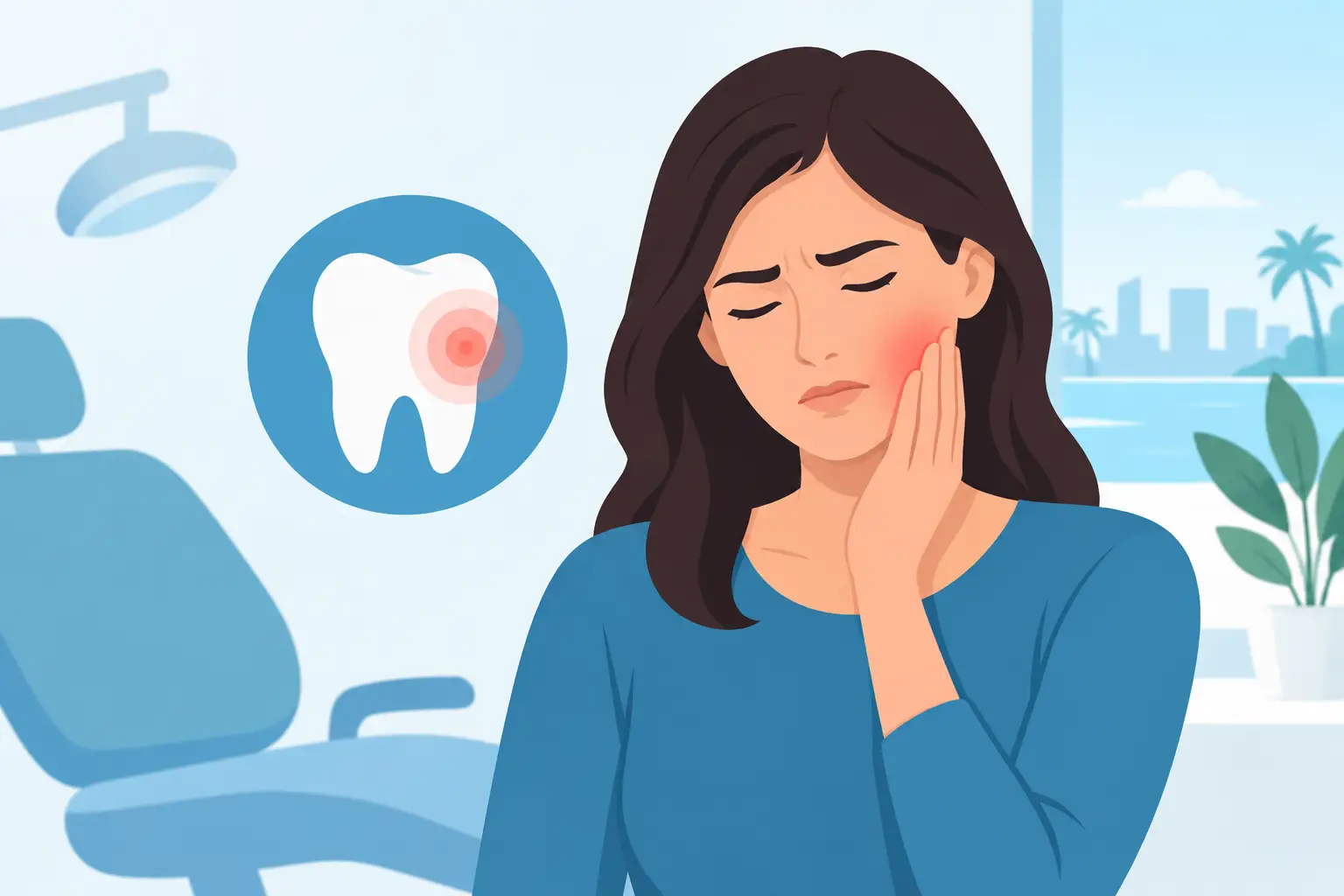
A toothache that wakes you in the middle of the night, makes cold water unbearable, or sends a sharp jolt through your jaw is more than an inconvenience. Searching for tooth pain relief Clearwater patients can rely on often means you need comfort now, but it also means finding the cause before a manageable problem becomes a more complex one.
Pain medication, a cold compress, and avoiding the painful side may reduce symptoms for a short time. They do not repair a cracked tooth, remove decay, treat an infection, or correct a failing restoration. The most effective relief comes from a prompt diagnosis and treatment plan built around what your tooth actually needs.
Why Tooth Pain Should Not Be Ignored
Teeth can hurt for many reasons, and the pattern of pain can offer useful clues. A brief zing when you eat something cold may point to enamel wear, exposed root surfaces, decay, or a small crack. Pain that lingers after hot or cold foods can indicate that the inner nerve tissue is irritated. Constant throbbing, pain when biting, or tenderness near the gumline may signal a deeper infection, fracture, or inflammation around the tooth.
The challenge is that tooth pain does not always stay in one place. A problem in a back tooth can feel like an earache, sinus pressure, or jaw pain. In some cases, a tooth that has stopped hurting has not healed. If the nerve has been severely damaged, the pain may fade temporarily while infection continues to develop around the root.
That is why a dental examination matters. The goal is not simply to quiet the discomfort. It is to preserve healthy tooth structure when possible, protect the surrounding bone and gums, and prevent an urgent problem from becoming a larger restorative concern.
Safe Steps for Tooth Pain Relief in Clearwater
If you are waiting for a dental appointment, start with gentle, practical measures. Rinse your mouth with warm salt water to clear food debris and soothe irritated tissue. If something appears trapped between teeth, floss carefully rather than using a sharp object. A cool compress held against the outside of the cheek for 15 to 20 minutes at a time may help reduce swelling and dull pain.
Over-the-counter pain medication can also be useful when taken only as directed on the label. Your medical history matters. People who take blood thinners, have kidney, liver, stomach, heart, or other health conditions, or are pregnant should ask a physician or pharmacist which option is appropriate. Never place aspirin or another medication directly on the gums or tooth. It can burn soft tissue and will not treat the source of pain.
Choose soft foods and chew on the opposite side. Avoid very hot, very cold, sugary, acidic, or hard foods if they trigger discomfort. If a crown, filling, or other restoration has come loose, save it if you can and keep the area clean. Do not use household glue to put it back in place.
These measures can make the hours before treatment more tolerable. They are not a substitute for care, especially when pain is escalating, recurring, or interfering with sleep and normal eating.
When Tooth Pain Needs Same-Day Care
Some symptoms call for an urgent dental evaluation. A dentist can often address the source of pain before it progresses, but significant swelling or infection should not be managed at home.
Seek same-day dental care if you have:
- Facial, jaw, or gum swelling
- A fever, foul taste, drainage, or a pimple-like bump on the gums
- Severe pain after a tooth breaks, loosens, or is knocked out
- Pain that is rapidly worsening or prevents you from sleeping, eating, or opening your mouth comfortably
If swelling affects your breathing or swallowing, or spreads toward the eye or neck, seek emergency medical care immediately. Those symptoms can indicate a serious infection that requires urgent attention beyond a routine dental visit.
What Your Dentist Looks for During an Emergency Visit
An emergency exam is focused and thorough. Your dentist will review when the pain began, what triggers it, whether it is spontaneous or bite-related, and whether you have noticed swelling, sensitivity, or changes in your bite. Digital imaging may be needed to assess decay beneath an existing restoration, changes around a tooth root, bone support, or damage that cannot be seen during a visual exam.
Tests may include gently tapping the tooth, checking its response to temperature, examining the gums, and evaluating your bite. These details help distinguish between conditions that can feel similar but require very different treatment. For example, a cracked tooth may need a protective crown, while pain from advanced decay may require root canal treatment followed by a durable restoration. A loose or damaged crown may be repairable, while a severely compromised tooth may require a carefully planned replacement solution.
The right answer depends on the diagnosis, the remaining healthy tooth structure, gum and bone health, and your long-term goals. A temporary fix may be appropriate when immediate comfort is the priority, but it should be followed by definitive care that protects your oral health and bite.
Relief Is Only the First Step
For patients with repeated problems in the same area, the conversation should go beyond the current toothache. Older fillings, cracked teeth, worn enamel, untreated grinding, and failing dental work can create a cycle of temporary repairs and repeat emergencies. Modern restorative care can address the source of that cycle with stronger, more precise solutions.
A same-day crown may be an option when a tooth needs protection after fracture or extensive decay and there is enough healthy structure to restore it. If a tooth cannot be predictably saved, dental implant treatment may provide a fixed, long-term replacement that supports function, appearance, and bone health. For patients with multiple failing teeth, a comprehensive full-mouth restoration plan can coordinate surgical, restorative, and cosmetic decisions rather than treating each issue in isolation.
At Trinity Dental Arts, Dr. Xhoana Gjelaj approaches urgent dental concerns with the same diagnostic precision used in complex implant and restorative cases. That matters when a painful tooth may involve more than a simple filling. Advanced imaging, careful treatment planning, and options for sedation can help patients receive care with greater clarity and comfort, particularly when anxiety has kept them from seeking treatment sooner.
Do Not Let Temporary Relief Delay the Right Care
It is understandable to wait when pain fades after a pain reliever or a few days of careful eating. Still, recurring sensitivity, pain on biting, or swelling should be treated as a signal to schedule an examination. Dental conditions are often easier and less invasive to treat before infection, structural damage, or bone loss advances.
If you are in Clearwater or the greater Tampa Bay area, make the call when symptoms begin disrupting your day, not only when they become unbearable. The most reassuring form of tooth pain relief is knowing what is causing the problem, receiving treatment designed for that diagnosis, and having a clear path back to comfortable eating, speaking, and smiling.