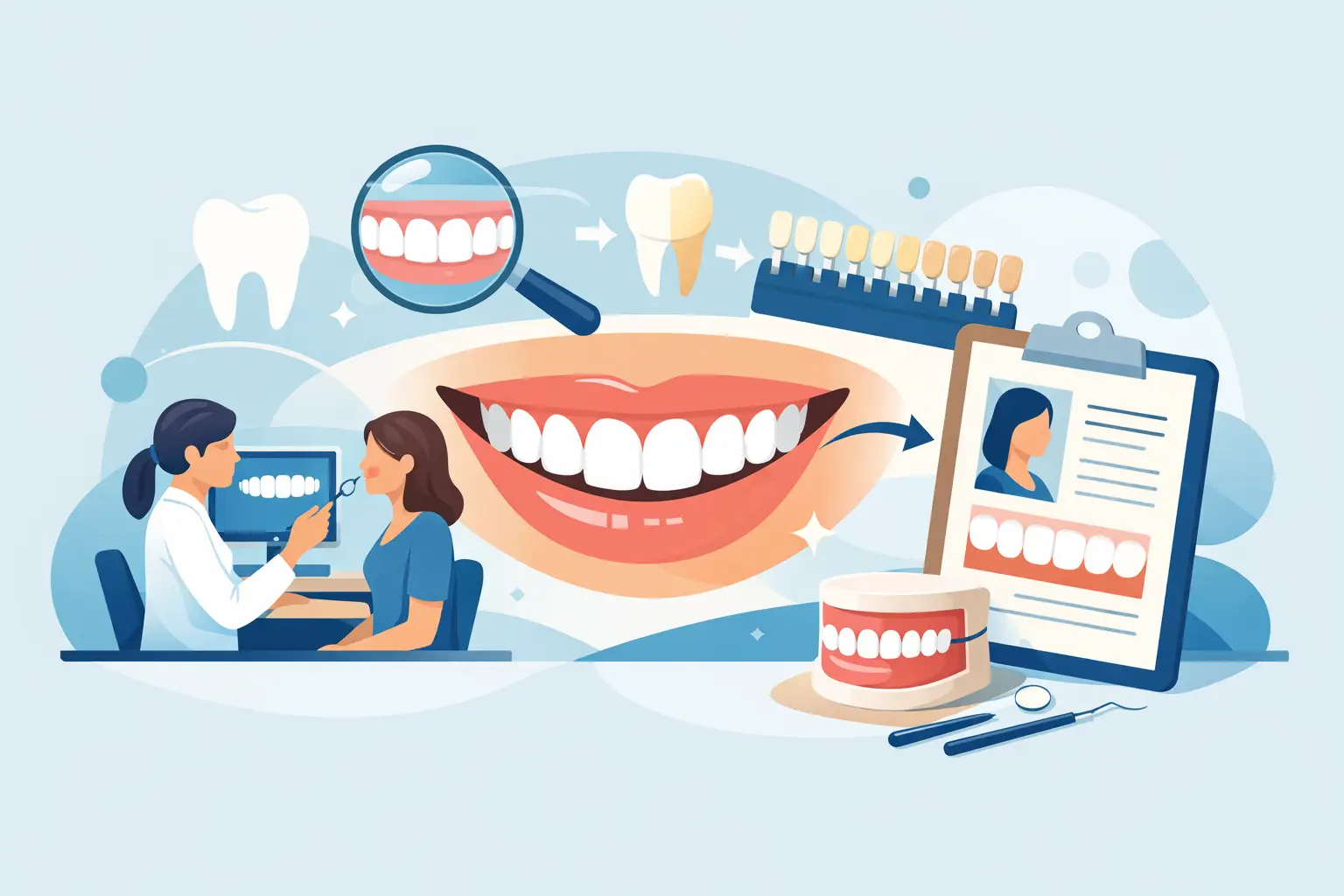
A smile makeover should not begin with a generic promise of whiter or straighter teeth. It should begin with a clear look at what is causing you to hide your smile, whether that is worn enamel, old crowns, gaps, uneven teeth, missing teeth, discoloration, or a bite that no longer feels right. Understanding how smile makeover planning works helps you evaluate treatment based on more than a before-and-after photo. The goal is a result that looks natural, functions comfortably, and supports your oral health for years.
At Trinity Dental Arts, smile design is approached as a personalized restorative and cosmetic plan. Dr. Xhoana Gjelaj considers the details that influence both appearance and long-term predictability, including your facial features, tooth proportions, gumline, bite, existing dental work, and overall health.
How Smile Makeover Planning Works at Your First Visit
The first appointment is a discovery process, not a rushed decision about a single procedure. You will discuss what you would like to change and what has made you unhappy with your smile. Some patients want a brighter, more balanced appearance before a major life event. Others have years of failing dental work, worn teeth, or missing teeth and need a more comprehensive solution.
Your goals matter, but they are only one part of the plan. A smile that looks excellent in a photograph must also allow you to chew, speak, and close your teeth comfortably. Dr. Gjelaj evaluates whether concerns are primarily cosmetic, restorative, functional, or a combination of all three. That distinction determines the treatment sequence.
For example, a patient with healthy teeth and minor spacing may be a candidate for Invisalign followed by conservative bonding or veneers. A patient with broken crowns, significant wear, or a changing bite may need restorative treatment before cosmetic refinements. When teeth are missing or cannot be predictably saved, dental implants may become the foundation for a fixed, natural-looking restoration.
A Healthy Foundation Comes Before Cosmetic Changes
A lasting smile makeover depends on healthy gums, stable teeth, and a bite that can support the planned restorations. This is why an experienced cosmetic and restorative dentist does not simply place veneers over untreated problems.
During the examination, the dental team checks for decay, gum inflammation, infection, cracked teeth, loose restorations, and signs of tooth grinding. Digital X-rays and 3D imaging may be recommended when the roots, bone levels, jaw structure, or implant planning need closer evaluation. These records help reveal issues that may not be visible during a visual examination alone.
If periodontal treatment, root canal care, bone grafting, or replacement of failing restorations is needed, those needs are discussed openly. Addressing them first can protect your investment and reduce the risk of complications after cosmetic treatment. In some cases, treating gum health also improves the appearance of the smile by creating a healthier, more even gumline.
This part of the process can feel less exciting than choosing a tooth color, but it is often where the quality of a smile makeover is decided. Attractive restorations cannot compensate for an unstable foundation.
Records Turn Ideas Into a Personalized Smile Design
After the health assessment, planning moves from conversation to measurable detail. Photos, digital scans, X-rays, and bite records allow the dentist to study how your teeth relate to your lips, facial symmetry, and jaw movement. These records also provide a baseline for communicating the plan clearly.
Tooth shape, length, color, and position are considered together. A bright smile is not automatically a natural smile. Teeth that are too white for your complexion, too long for your facial proportions, or too uniform in shape can look artificial. The best cosmetic results are designed around the individual rather than copied from a standard template.
Your lip line is another practical consideration. Some people show a great deal of tooth and gum tissue when they smile, while others show less. Speech patterns, tooth display at rest, and the way the lower teeth meet the upper teeth all affect the design. This is especially important when planning veneers, crowns, or full-mouth restoration, where small changes can influence the final appearance and function.
Digital planning can help patients visualize proposed changes before treatment begins. Depending on the case, a diagnostic mock-up or temporary preview may also be used to test aspects of tooth length, shape, and bite. A preview is valuable because it shifts the conversation from abstract preferences to specific adjustments: a softer edge, a slightly shorter tooth, a different shade, or a more natural contour.
Choosing the Right Combination of Treatments
A smile makeover is rarely defined by one procedure. The right plan may include one treatment or a coordinated sequence of services, chosen according to your condition and goals.
Professional whitening may be appropriate when the tooth structure is healthy and color is the main concern. Invisalign can improve crowding, spacing, and bite alignment before veneers or crowns are considered. Moving teeth first can sometimes reduce the amount of tooth preparation needed for cosmetic restorations.
Veneers are often used to improve the visible front surfaces of teeth affected by discoloration, minor chips, uneven shape, or small gaps. Same-day crowns or custom laboratory crowns may be recommended when a tooth has more extensive damage, a large failing filling, or structural weakness. Bonding can be a conservative option for selected small corrections, although it may not offer the same long-term stain resistance or durability as porcelain.
Dental implants play a different role. They replace missing tooth roots and can support fixed new teeth, helping restore stability, chewing ability, and smile appearance. For patients with multiple failing or missing teeth, an All-on-4 or All-on-X treatment plan may be considered as part of a full-mouth restoration. Planning for these cases requires careful review of bone quality, gum health, bite forces, and the desired final tooth design.
There are trade-offs in every choice. Veneers may offer an efficient cosmetic change, but they are not the answer for unmanaged grinding or active decay. Invisalign can create an excellent foundation, but it requires consistent wear and time. Implants can provide a durable fixed option for tooth replacement, but healing and bone support must be considered. The best recommendation is the one that fits your clinical needs, lifestyle, timeline, and expectations.
Sequencing Protects the Final Result
The order of treatment matters as much as the procedures themselves. Generally, health and structural issues are resolved first, followed by tooth movement or implant placement when needed. Final cosmetic restorations are completed once the gums, teeth, and bite are stable.
A patient receiving Invisalign, for instance, may complete aligner treatment before final veneers or crowns are made. A patient receiving implants may need time for healing and integration before the final fixed restoration is placed. In a more extensive restoration, temporary teeth may be used to evaluate comfort, appearance, and bite before the final materials are fabricated.
This sequence can make a comprehensive plan longer than patients expect, but it is intentional. Rushing to final restorations before alignment, healing, or bite stabilization can lead to avoidable compromises. A clearly staged plan lets you understand what happens first, what comes next, and when you can expect to see meaningful changes.
Timing, Budget, and Maintenance Are Part of the Plan
A quality consultation includes practical considerations. Your dentist should explain the anticipated timeline, number of visits, sedation options when appropriate, and expected investment before treatment begins. Complex cases may be phased over time, allowing urgent health concerns or major functional priorities to be handled first.
Cost depends on the number of teeth involved, the procedures selected, imaging and laboratory needs, and whether restorative or implant treatment is required. A lower upfront price does not always represent better value if it overlooks necessary health treatment, uses inferior materials, or creates a result that requires early replacement. Financing options can make a larger plan more manageable, but the clinical sequence should still be based on what will protect your health and outcome.
Maintenance is also discussed before you commit. Cosmetic and restorative work needs ongoing professional care, excellent home hygiene, and protection from damaging habits. If you clench or grind your teeth, a custom night guard may be recommended. Regular examinations allow the dental team to monitor the condition of your restorations, gums, bite, and implants over time.
What a Confident Decision Looks Like
You should leave a smile makeover consultation knowing what concerns are being treated, why each recommendation was made, which steps come first, and what alternatives may be available. You should also understand the limitations. No ethical dentist should promise that every tooth can be saved or that every result will look identical to a photograph.
The most rewarding smile makeovers are built through careful planning, not quick cosmetic shortcuts. If you are considering treatment in Trinity or the greater Tampa Bay area, bring your questions, priorities, and concerns to the consultation. A well-designed plan gives you more than a new look - it gives you a practical path toward a smile that feels like your own.