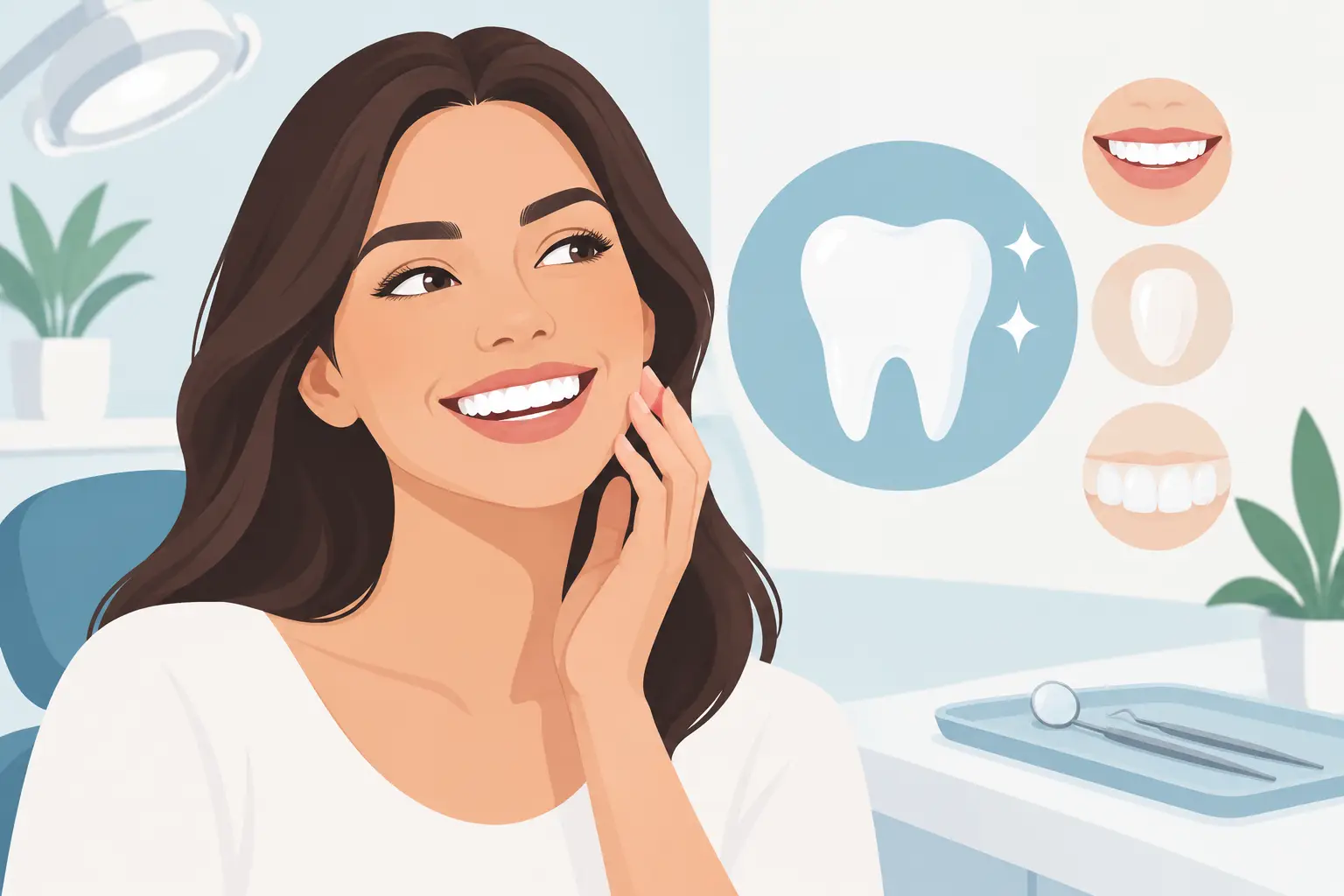
A smile can look healthy and still leave you hesitant in photos, meetings, or everyday conversations. A darkened tooth, uneven edges, visible gaps, old dental work, or teeth that appear too short can change how you feel about showing your smile. Cosmetic dentistry is designed to address those concerns with a plan that respects both appearance and long-term oral health.
The right solution is rarely about choosing the most dramatic treatment. It is about identifying what is affecting your smile, understanding the condition of your teeth and gums, and selecting an approach that delivers a natural-looking result you can maintain. For patients in Trinity and the greater Tampa Bay area, that often means combining aesthetic goals with comprehensive restorative expertise in one treatment plan.
What Cosmetic Dentistry Can Improve
Cosmetic dentistry focuses on the visible qualities of your smile: tooth color, shape, proportion, alignment, symmetry, and the appearance of the gumline. It can also improve the way a restoration blends with surrounding teeth. While the goal is aesthetic improvement, successful treatment must begin with a healthy foundation.
For example, whitening may brighten healthy teeth effectively, but it will not change the color of a crown or veneer. Clear aligners can improve spacing and crowding, but they may not correct worn or damaged edges on their own. Veneers can create a more balanced appearance, yet they are not a substitute for treating active decay, gum inflammation, or an unstable bite.
This is why an exam and personalized treatment discussion matter. Your dentist should look beyond a single concern and consider how your teeth function, how your bite distributes pressure, the quality of existing dental work, and what you want your smile to look like years from now.
Choosing the Right Cosmetic Dental Treatment
The best cosmetic treatment depends on the condition of your teeth, the changes you want to make, your budget, and how much time you want to devote to treatment. Some patients need a focused improvement to one or two teeth. Others benefit from a coordinated smile makeover that addresses color, alignment, and restoration replacement together.
Professional Teeth Whitening
Professional whitening is often a strong option when teeth are healthy but have become stained or yellowed from coffee, tea, red wine, tobacco, or natural aging. Treatment can brighten the natural enamel more predictably than over-the-counter products, with guidance on reducing sensitivity and maintaining results.
Whitening works best when discoloration is external or related to enamel color. A tooth that has darkened after trauma or root canal treatment may require a different approach. Existing crowns, fillings, and veneers will also retain their current shade, so whitening is frequently completed before new visible restorations are made.
Porcelain Veneers
Porcelain veneers are thin, custom-crafted shells bonded to the front surfaces of teeth. They can improve the appearance of persistent discoloration, small gaps, chips, uneven contours, and teeth that appear disproportionate in the smile. Because porcelain reflects light in a way that resembles natural enamel, well-designed veneers can produce a refined, natural result rather than an artificial uniform look.
Veneers require careful planning. In many cases, a small amount of enamel preparation is needed, making the decision a long-term commitment. They are also not the ideal choice for every patient. If teeth are significantly misaligned, if there is active grinding, or if the bite places excessive force on the front teeth, those issues may need to be managed first.
Invisalign Clear Aligners
Clear aligner treatment can improve crowding, spacing, and mild to moderate alignment concerns without traditional brackets and wires. Straightening the teeth can make brushing and flossing easier, improve smile symmetry, and create better spacing for future bonding, veneers, or crowns when needed.
Aligners are removable, but that convenience comes with responsibility. Patients must wear them consistently to keep treatment on track. Complex bite concerns or extensive tooth movement may call for a different orthodontic strategy, which is why proper diagnosis is more valuable than choosing a treatment based on appearance alone.
Same-Day Crowns and Cosmetic Restorations
A crown can be both restorative and cosmetic when a tooth is cracked, heavily filled, worn, discolored, or structurally compromised. Modern same-day crown technology allows qualified patients to receive a custom restoration in a single visit, reducing the need for a temporary restoration and a second appointment.
The cosmetic value of a crown comes from its design, shade selection, and fit within the smile. It should not merely cover a tooth. It should complement neighboring teeth, support comfortable function, and preserve as much healthy tooth structure as possible. For smaller chips or contour changes, conservative bonding may be appropriate, although it may stain or wear sooner than porcelain.
When Cosmetic Concerns Are Also Health Concerns
Some smile concerns are cosmetic on the surface but signal a larger issue. Worn edges can point to teeth grinding or a bite imbalance. A tooth that looks longer may reflect gum recession. A crown that appears dark at the edge may be aging or no longer sealing properly. Missing teeth can affect facial support, chewing function, and the way remaining teeth move over time.
In these situations, a cosmetic-only solution can lead to disappointing results. A comprehensive plan may include periodontal care, bite protection, implant treatment, bone grafting, or replacement of failing restorations before final cosmetic work begins. Addressing the cause helps protect the investment you make in your smile.
At Trinity Dental Arts, Dr. Xhoana Gjelaj’s experience with advanced implant and restorative treatment helps connect aesthetics with function. That perspective is especially valuable for patients with multiple failing teeth, older dental work, or a smile that has changed because of tooth loss and wear. The goal is not simply to create a brighter smile. It is to create one that feels stable, comfortable, and appropriate for your facial features.
How to Plan a Smile Makeover With Confidence
A high-quality cosmetic plan starts with a conversation about what you notice when you smile. Bring up concerns that may seem minor, such as one tooth that photographs darker, uneven front teeth, or a smile that feels too narrow. These details help guide the design process.
Your evaluation may include digital imaging, photographs, bite analysis, and a review of your gums, enamel, jaw joints, and existing restorations. This information helps determine whether treatment should be completed in stages. For instance, whitening may come first, followed by aligners and final veneers or crowns. In another case, restoring weak back teeth first may provide the stable bite needed for attractive front-tooth work.
Shade selection deserves thoughtful attention as well. The brightest possible color is not always the most natural or flattering choice. Skin tone, lip color, facial proportions, and the color of surrounding teeth all influence the final result. A polished cosmetic outcome should look like it belongs to you, not like it was selected from a single template.
Questions Worth Asking Before Treatment
Before moving forward, ask what is causing the concern, what alternatives are available, and how each option affects your natural teeth. You should also understand the expected timeline, required maintenance, and whether your bite or gum health could affect longevity.
It is reasonable to ask how your new restorations will be designed to match your smile and what happens if the treatment plan reveals an underlying problem. Cosmetic care is an investment, and clear answers help you make decisions with confidence. Financing options can also make comprehensive care more manageable when treatment is phased according to clinical priorities.
Protecting Your Cosmetic Results
A beautiful result lasts longer when it is supported by consistent home care and professional maintenance. Brush with a nonabrasive toothpaste, floss daily, and keep regular hygiene appointments. If you clench or grind your teeth, a custom night guard may protect veneers, crowns, and natural enamel from excessive force.
Avoid using your teeth to open packages or bite hard objects, and be aware that deeply colored foods and drinks can gradually affect natural enamel and bonding. Porcelain is highly stain resistant, but the natural teeth around it can still change over time. Periodic touch-up whitening or restoration maintenance may be part of keeping your smile consistent.
The most rewarding cosmetic treatment is not the one that changes the most at once. It is the one that makes you comfortable smiling freely while protecting the health and function that your smile depends on.