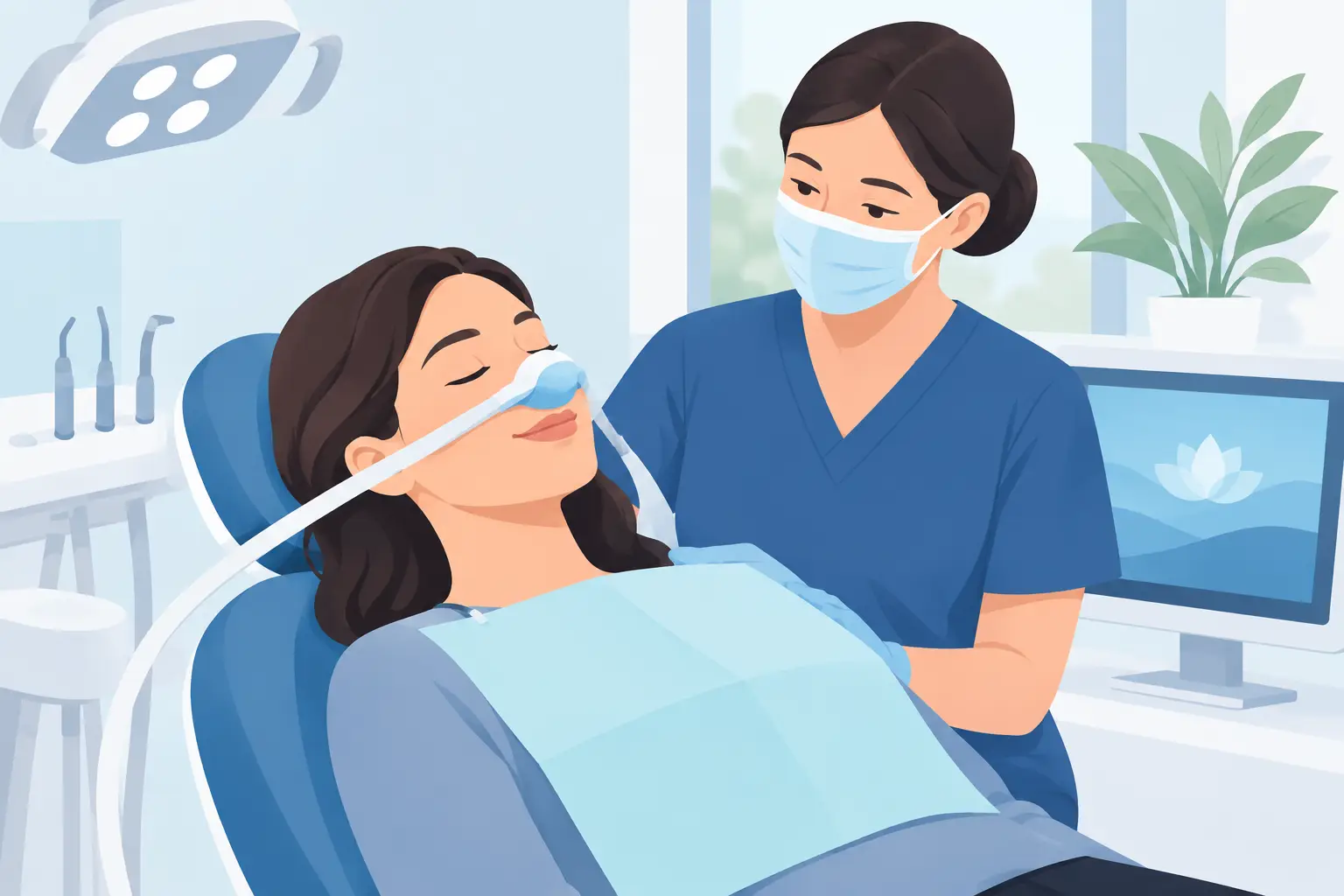
A complex dental procedure should not feel like something you simply have to endure. For patients who feel anxious, have a sensitive gag reflex, struggle to stay comfortable in the chair, or need extensive care, dental sedation can make treatment feel more manageable. It is not about ignoring your concerns. It is about creating a calmer, more controlled experience so you can receive the care your smile needs with greater confidence.
At Trinity Dental Arts, sedation is considered as part of a personalized treatment plan, particularly for patients pursuing dental implants, full-mouth restoration, surgical treatment, or significant cosmetic dentistry. The right approach begins with understanding your health history, the procedure ahead, and the level of support that will help you feel comfortable.
What Dental Sedation Does
Dental sedation uses medication to reduce anxiety and help patients relax during treatment. Depending on the method selected, you may feel lightly at ease, deeply relaxed, or sleepy enough that you remember little of the appointment afterward. You remain carefully monitored throughout the procedure.
Sedation is different from local anesthetic, although the two are often used together. Local anesthetic numbs the treatment area so you should not feel pain. Sedation addresses the emotional and physical strain that can make even a painless procedure difficult, including fear, muscle tension, restlessness, and an overactive gag reflex.
For many patients, the most meaningful benefit is not simply feeling calmer during one appointment. It is being able to move forward with treatment they may have delayed for years. That can be especially valuable when failing teeth, missing teeth, infection, or worn restorations are already affecting daily comfort, nutrition, and confidence.
Types of Dental Sedation
The appropriate type of dental sedation depends on the complexity of treatment, your health history, your anxiety level, and how long the procedure is expected to take. A thorough consultation is essential because there is no single option that fits every patient.
Nitrous oxide
Nitrous oxide, often called laughing gas, is inhaled through a small mask. It can create a light, relaxed feeling while allowing you to remain awake and responsive. Its effects wear off quickly after the mask is removed, so some patients may be able to return to normal activities sooner. It can be a practical choice for shorter visits or mild anxiety.
Oral sedation
Oral sedation involves taking a prescribed medication before your appointment. It generally provides a deeper level of relaxation than nitrous oxide, and patients may feel drowsy or have limited memory of the visit. Because the effects can last for several hours, you will need a responsible adult to drive you home and remain available afterward.
IV sedation
IV sedation is commonly considered for more involved procedures, severe dental anxiety, or patients who want a more controlled level of relaxation during lengthy care. Medication is delivered through an IV and can be adjusted during treatment based on your needs. You may remain responsive to the dental team, but the experience often feels brief or distant afterward.
The choice is not simply about selecting the strongest option. A lighter approach may be entirely appropriate for one person, while another patient receiving surgical implant treatment may benefit from a deeper level of sedation. Safety, predictability, and the details of your procedure should guide the decision.
When Sedation May Be Worth Considering
Anxiety is a valid reason to ask about sedation, but it is not the only one. Patients often benefit when treatment requires extended time in the chair or when physical comfort is difficult to maintain. This can include an intense gag reflex, trouble remaining still because of muscle tension, previous traumatic dental experiences, or difficulty becoming numb with local anesthetic alone.
Sedation can also make it easier to complete carefully planned treatment efficiently. For example, a patient rebuilding a smile with implant-supported restoration may need surgical and restorative steps that demand focus and precision. Being relaxed helps the patient tolerate the appointment, while allowing the dentist to work without frequent interruptions.
That said, sedation is not automatically necessary for every implant, crown, veneer, or emergency appointment. Some procedures are comfortably completed with local anesthetic and thoughtful pacing. An honest conversation about your concerns helps determine whether sedation adds meaningful value to your experience.
Safety Starts Before the Appointment
Safe sedation planning is highly individualized. Before recommending it, the dental team should review your medical conditions, medications, allergies, prior experiences with anesthesia or sedation, and relevant lifestyle factors. Certain health conditions, sleep-related breathing concerns, and medication interactions can affect which option is appropriate.
Be direct during this conversation. Share every prescription medication, over-the-counter product, supplement, and recreational substance you use. Also discuss changes in your health, even if they seem unrelated to dentistry. Accurate information allows your provider to make decisions that protect your safety.
You may receive specific instructions about eating, drinking, medication timing, and arranging transportation. Follow them closely. If you are asked to avoid food or liquids before a deeper form of sedation, that instruction is part of your safety protocol, not a suggestion. If you are ill on the day of treatment or have not followed pre-appointment directions, call the office before leaving home.
What to Expect on Treatment Day
A well-prepared sedation appointment should feel organized, not rushed. Bring your designated driver if required, wear comfortable clothing, and leave valuable items at home. Your team will confirm your health information, review the planned procedure, and answer final questions before treatment begins.
During care, your comfort and vital signs are monitored based on the sedation method being used. The clinical goal is to maintain a stable, appropriate level of relaxation while completing treatment with precision. For surgical and restorative cases, this controlled environment can be especially reassuring.
Afterward, it is normal to feel sleepy, unsteady, or mentally foggy for a period of time following oral or IV sedation. Plan to rest at home. Do not drive, operate machinery, make major decisions, drink alcohol, or return to work until the effects have fully worn off and your provider has cleared you to resume normal activity. Your driver should stay with you as instructed.
The Role of Sedation in Advanced Dentistry
For patients considering full-mouth restoration or dental implants, comfort planning should be part of the larger conversation about outcome, timeline, and long-term oral health. Sedation does not replace detailed planning, advanced imaging, precise surgical technique, or quality restorative materials. It supports the patient experience while those elements come together.
Dr. Xhoana Gjelaj’s experience with complex implant procedures allows treatment planning to account for both clinical demands and patient comfort. When surgical care, bone grafting, and final restoration are coordinated under one practice, patients can better understand each stage and avoid the uncertainty of being moved between unrelated offices.
The goal is not to make treatment feel mysterious or passive. You should know what is being done, why it is recommended, how recovery may feel, and what your sedation plan involves. Clear expectations often reduce anxiety before medication is ever administered.
If fear or discomfort has kept you from addressing a dental concern, start with a consultation rather than assuming treatment will be overwhelming. A thoughtful discussion of dental sedation, your health, and your goals can turn a postponed decision into a clear, comfortable path toward a healthier, more confident smile.