A small chip on a front tooth can make every photo feel more calculated. So can uneven edges, worn enamel, stubborn discoloration, or gaps that distract from an otherwise healthy smile. When patients compare veneers versus bonding costs, the real question is rarely just, “Which is cheaper?” It is, “Which treatment will give me the appearance, durability, and long-term value I want?”
Both treatments can produce meaningful cosmetic improvements, but they solve problems differently. Dental bonding is often the more conservative, lower-cost choice for targeted changes. Porcelain veneers are a more comprehensive, custom-crafted option for patients seeking a refined smile transformation across several visible teeth. A personalized examination is the only way to receive an exact quote, but understanding the factors behind each treatment can help you make a confident decision.
Veneers Versus Bonding Costs: Typical Price Ranges
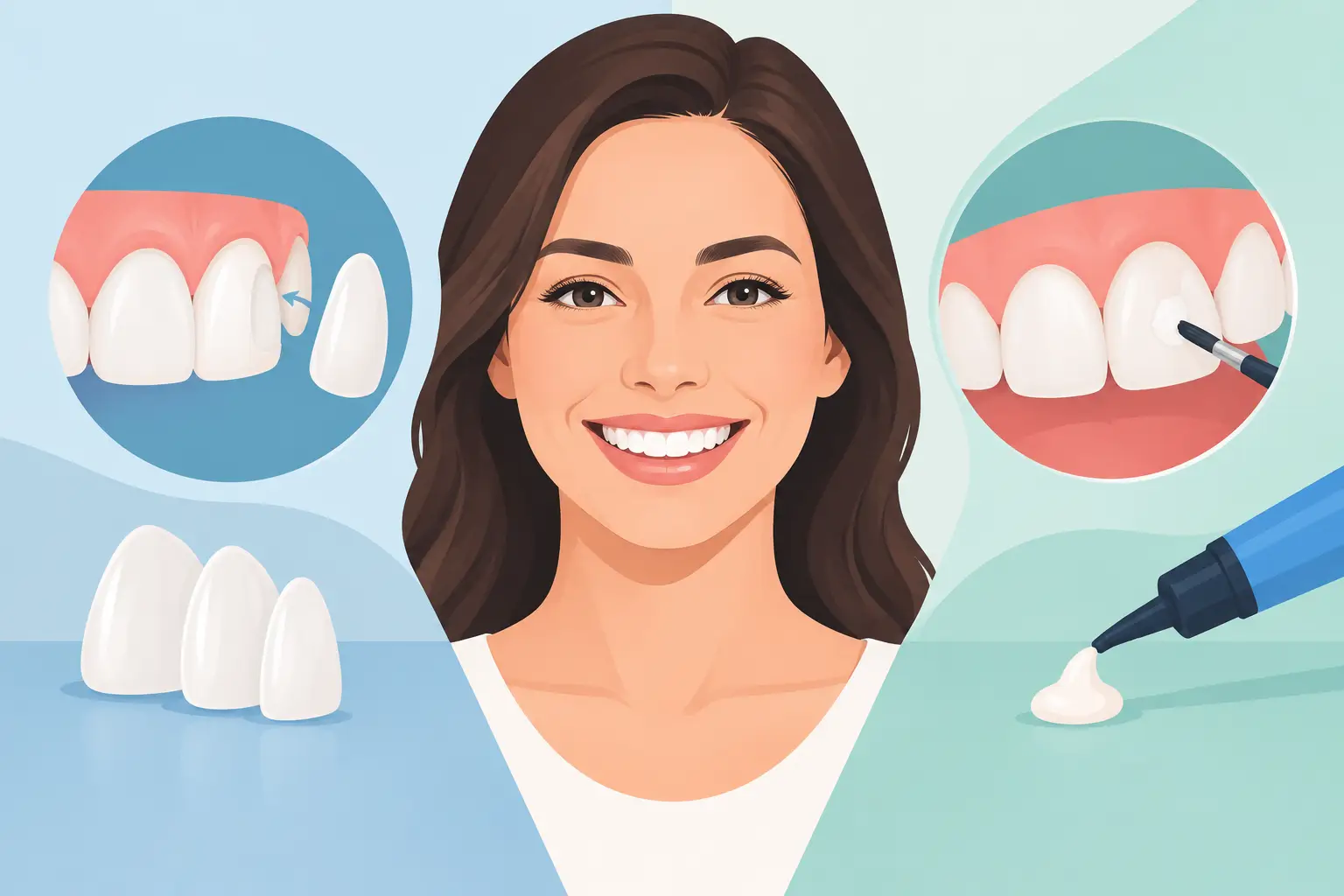
Dental bonding commonly costs about $300 to $900 per tooth. The final fee depends on the size and complexity of the repair, the location of the tooth, the shade matching required, and the artistic detail needed to create a natural result. Bonding uses tooth-colored composite resin that is applied directly to the tooth, shaped by the dentist, hardened with a curing light, and polished during the same visit in many cases.
Porcelain veneers typically cost about $1,200 to $2,500 or more per tooth. This range reflects the materials, custom design, laboratory work, and clinical time involved. A veneer is a thin porcelain shell created specifically for the shape, color, proportions, and facial characteristics of the patient. It is then bonded to the front surface of the tooth to create a durable, highly aesthetic result.
The difference becomes more noticeable when several teeth are involved. Bonding one chipped tooth may be an efficient cosmetic repair. Treating six, eight, or ten visible teeth for a balanced smile makeover requires a broader conversation about consistency, longevity, and total investment. In some cases, bonding remains the right answer. In others, veneers provide a more predictable and enduring result over time.
Why Porcelain Veneers Cost More
A porcelain veneer is not simply a cover placed over a tooth. Quality veneer treatment begins with careful smile planning. Your dentist evaluates your bite, gumline, tooth position, enamel condition, facial features, and the way your teeth show when you speak and smile. These details determine whether veneers are appropriate and how the final result should be designed.
The porcelain itself is a major factor. High-quality dental porcelain can closely reproduce the way natural enamel reflects light, with translucency and depth that composite resin cannot always match. Each veneer is also fabricated by a dental laboratory, where skilled technicians create customized restorations based on your treatment plan.
Veneers may require conservative enamel preparation to create room for the porcelain and avoid an overly bulky appearance. Temporary veneers, digital imaging, diagnostic models, and multiple appointments can also be part of the process. Those steps add to the cost, but they support the precision that makes a cosmetic result look natural rather than artificial.
For patients with widespread staining, uneven tooth size, multiple gaps, worn edges, or an overall desire for a more uniform smile, veneers can address several concerns at once. The investment is higher upfront because the treatment is designed as a comprehensive, custom restoration rather than a quick repair.
Why Dental Bonding Costs Less
Bonding is completed directly on the tooth without a separate dental laboratory creating a restoration. That reduces both material and fabrication costs. It is also generally more conservative, often requiring little to no removal of natural tooth structure.
For a small chip, a narrow gap, one discolored area, or a slightly uneven edge, this can be a significant advantage. The treatment is efficient, and patients can often leave with an immediate improvement. Bonding is also easier to modify or repair if a small area chips later.
Its lower initial price does come with trade-offs. Composite resin is more prone to staining from coffee, tea, red wine, tobacco, and deeply pigmented foods. It can also wear, chip, or lose polish sooner than porcelain, particularly for patients who bite their nails, chew ice, clench their teeth, or have a strong bite. Meticulous finishing can create an attractive result, but the material does not have the same long-term color stability as porcelain.
The Long-Term Cost Matters Too
Looking only at the first appointment can make bonding seem like the obvious choice. Yet cost should also be evaluated over the expected lifespan of the treatment. Bonding may last approximately three to seven years before it needs polishing, repair, or replacement, though careful home care and a favorable bite can extend its service. Porcelain veneers often last 10 to 15 years or longer with appropriate maintenance.
This does not mean veneers are automatically the better value for every person. A single bonded tooth repaired periodically may still be more cost-effective than a veneer. But if you are considering repeated bonding on several front teeth, the cost of future touch-ups and replacements should be part of your planning.
Consider the goal, not only the price. If you want a subtle correction that preserves maximum natural enamel, bonding may be ideal. If you want stable color and a consistent cosmetic result across multiple teeth, veneers may offer better long-term satisfaction despite the higher initial fee.
When Bonding May Be the Better Choice
Bonding is often an excellent option when the concern is small and localized. It can be well suited for minor chips, small gaps, a slightly short tooth, or a single tooth that needs modest reshaping. Patients who are not ready to commit to a more extensive cosmetic treatment may also use bonding as a conservative first step.
It can be especially helpful when preserving natural tooth structure is the top priority. Because the resin is applied directly to the tooth, bonding may allow the dentist to improve appearance with minimal alteration. It is also a practical choice for patients who understand and accept the likelihood of future maintenance.
When Veneers May Be Worth the Investment
Veneers are often considered when cosmetic concerns involve several visible teeth or when patients want a more dramatic, coordinated improvement. They can improve the appearance of deeply stained teeth, uneven spacing, irregular shapes, worn enamel, and minor alignment concerns that do not require orthodontic treatment.
Porcelain’s resistance to stains is particularly valuable for patients seeking a brighter smile that remains stable over the years. Veneers can also provide a more uniform surface and light reflection than bonding, which can make the treatment especially appealing for a smile makeover.
However, veneers are not a shortcut around underlying dental concerns. Active decay, gum disease, untreated bite problems, or significant grinding should be addressed before cosmetic treatment. A beautiful veneer result depends on a healthy foundation and a treatment plan that protects the restorations after placement.
What Should Be Included in a Cosmetic Dentistry Estimate?
A meaningful estimate should explain more than a per-tooth price. Ask whether the fee includes the cosmetic consultation, digital records or photographs, smile planning, tooth preparation, temporary veneers if needed, the final restoration, placement, and follow-up adjustments. For bonding, ask whether future polishing or small repairs are covered separately.
You should also discuss the material being recommended and why. Not every porcelain option produces the same esthetic effect, and not every case needs the most extensive approach. The right plan balances your dental health, desired appearance, timeline, and budget.
Cosmetic procedures are usually not covered by dental insurance, although there can be exceptions when treatment also restores a damaged tooth. Many patients choose phased treatment or financing to make a larger smile investment more manageable. A clear financial discussion should happen before treatment begins, without pressure or vague estimates.
Make the Decision With a Personalized Smile Evaluation
An online price range is useful for planning, but it cannot tell you whether bonding will blend naturally with your existing enamel, whether veneers can be placed conservatively, or how your bite will affect longevity. Those answers require an in-person evaluation.
At Trinity Dental Arts, Dr. Xhoana Gjelaj applies advanced cosmetic and restorative experience to create treatment plans around each patient’s smile goals and oral health. For patients in Trinity and the greater Tampa Bay area, that means receiving an honest recommendation based on what will look right, function well, and make sense for the years ahead.
The best cosmetic choice is not the treatment with the lowest number on the estimate. It is the one that gives you a result you are comfortable maintaining, confident showing, and glad you chose every time you smile.